CAITH
Fortalece la expresión, la autoestima y la participación de adolescentes a través de espacios de comunicación, liderazgo y producción de contenidos.
Fortalecemos capacidades comunicacionales en adolescentes, jóvenes y comunidades para promover su participación activa en la sociedad. A través de procesos formativos, como escuelas virtuales de liderazgo y programas de periodistas escolares, impulsamos el desarrollo del pensamiento crítico, la expresión y la incidencia en espacios públicos. Promovemos la creación de contenidos propios que reflejan sus realidades, opiniones y propuestas.
Asimismo, impulsamos redes de líderes, medios comunitarios y espacios de diálogo que fortalecen la participación ciudadana y la incidencia en políticas públicas. A través de producciones audiovisuales, foros digitales y campañas, visibilizamos problemáticas sociales y ambientales. También promovemos el intercambio cultural entre comunidades, contribuyendo a la preservación de saberes y al fortalecimiento del tejido social.
La comunicación se vuelve herramienta de liderazgo cuando adolescentes y jóvenes crean contenidos, dialogan y posicionan sus propuestas en espacios públicos.
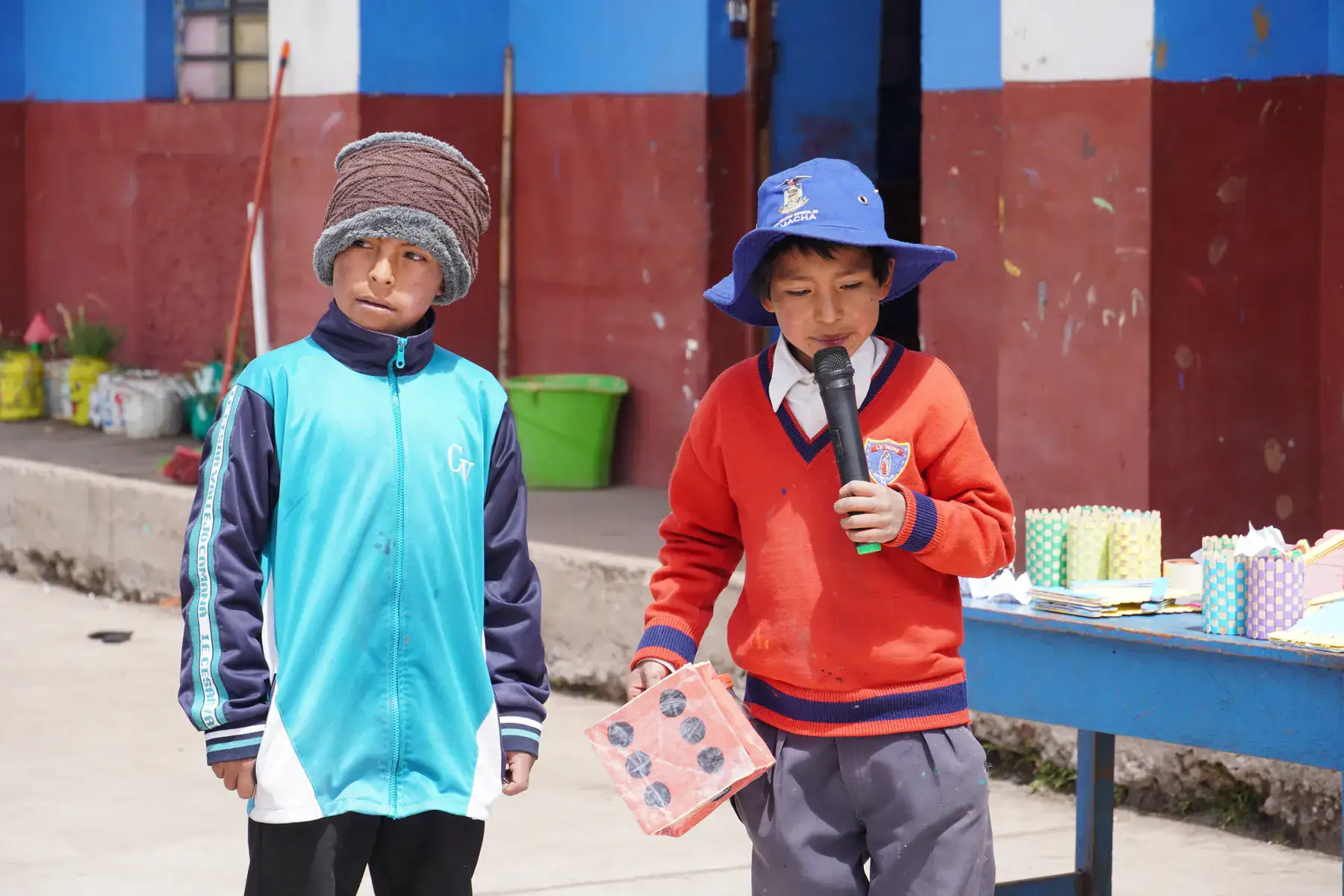
Fortalece la expresión, la autoestima y la participación de adolescentes a través de espacios de comunicación, liderazgo y producción de contenidos.
Articula redes, medios comunitarios y procesos juveniles que visibilizan problemáticas locales y promueven incidencia pública.
Proceso virtual y asincrónico para fortalecer liderazgo, pensamiento crítico y participación ciudadana.
La Escuela Virtual de Liderazgo es un proceso formativo dirigido a jóvenes que han culminado la educación secundaria y que cuentan con vocación de servicio, compromiso social y una visión transformadora de sus territorios. Este espacio busca fortalecer sus capacidades de liderazgo, pensamiento crítico y participación ciudadana, promoviendo su involucramiento activo en la construcción de soluciones para sus comunidades.
A través de una metodología flexible y asincrónica, el programa incorpora enfoques pedagógicos innovadores adaptados a la virtualidad, integrando herramientas digitales. Se fomenta que las y los participantes se conviertan en agentes de cambio, capaces de incidir de manera efectiva en espacios de concertación local, regional y comunitaria, aportando propuestas desde una mirada inclusiva, intercultural y participativa.
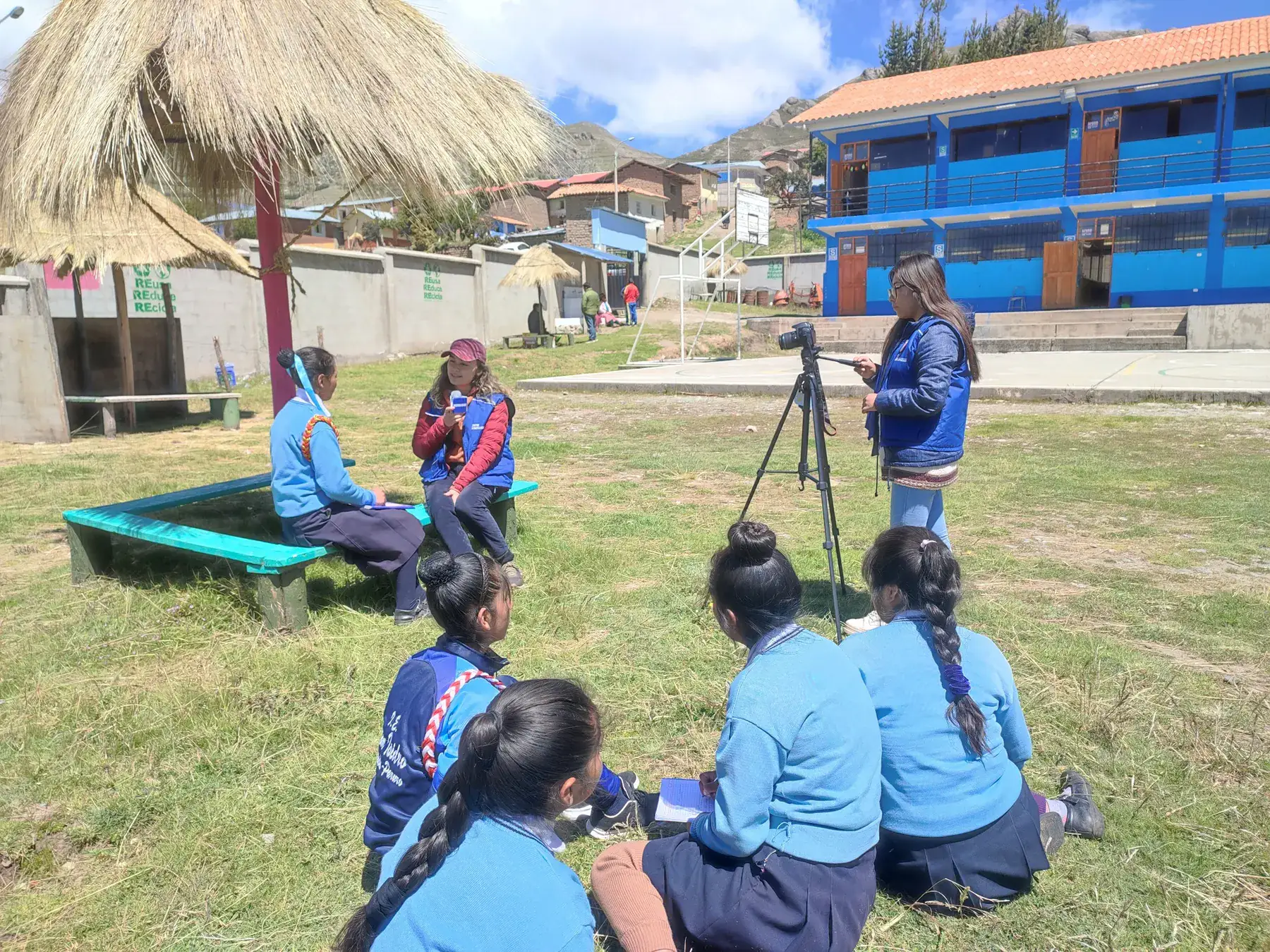
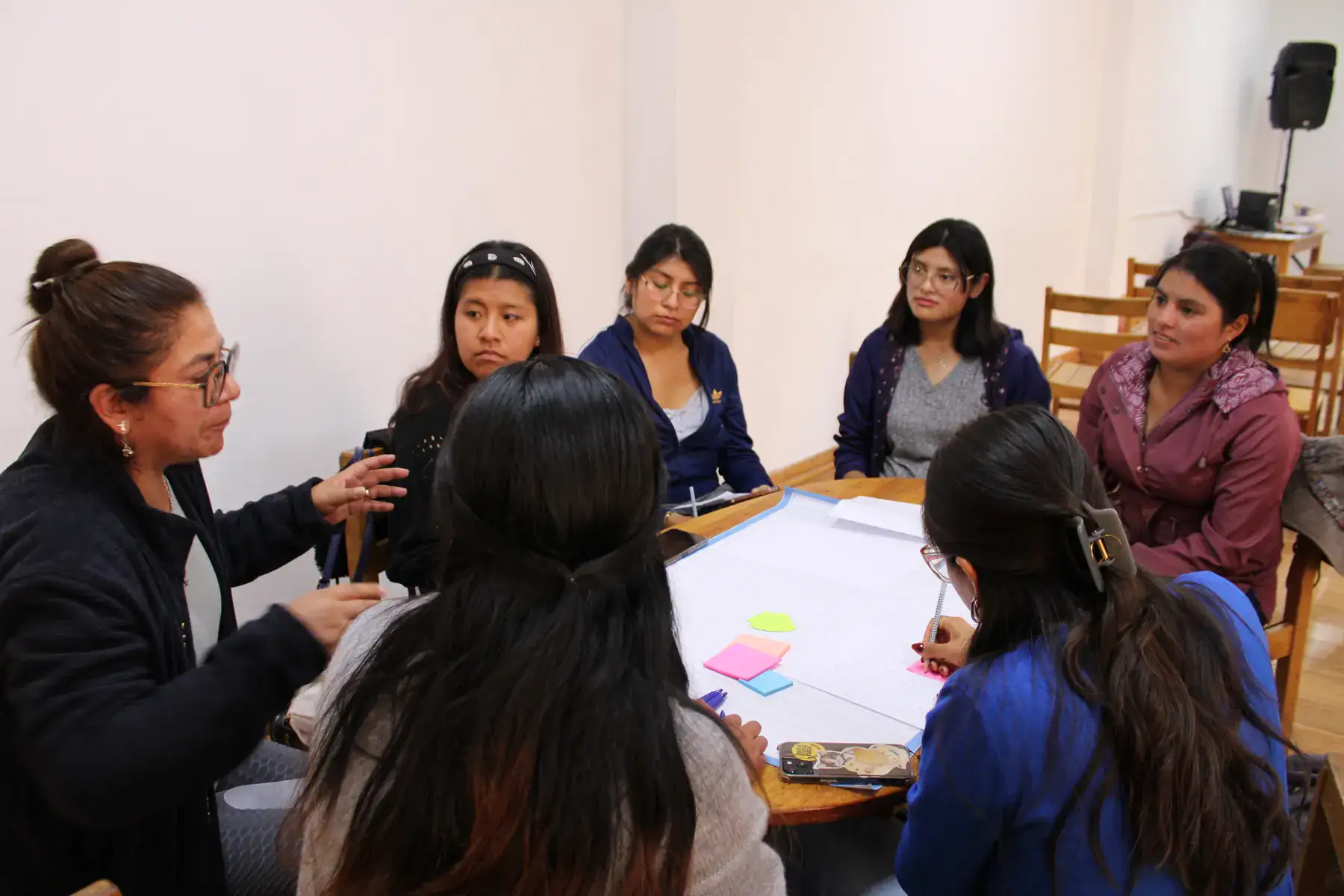
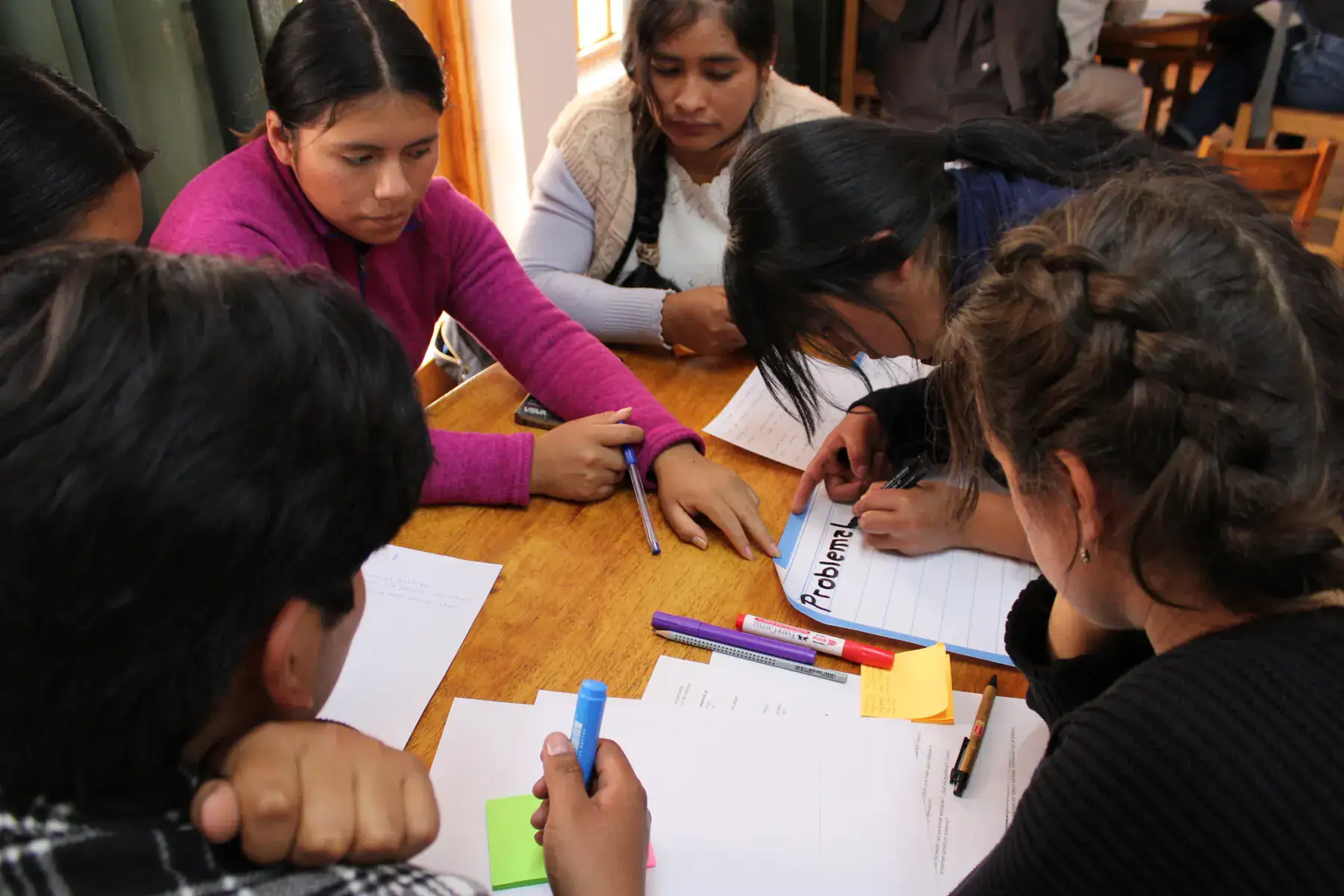
Adolescentes que comunican, analizan coyunturas y construyen contenidos con enfoque de derechos y género.
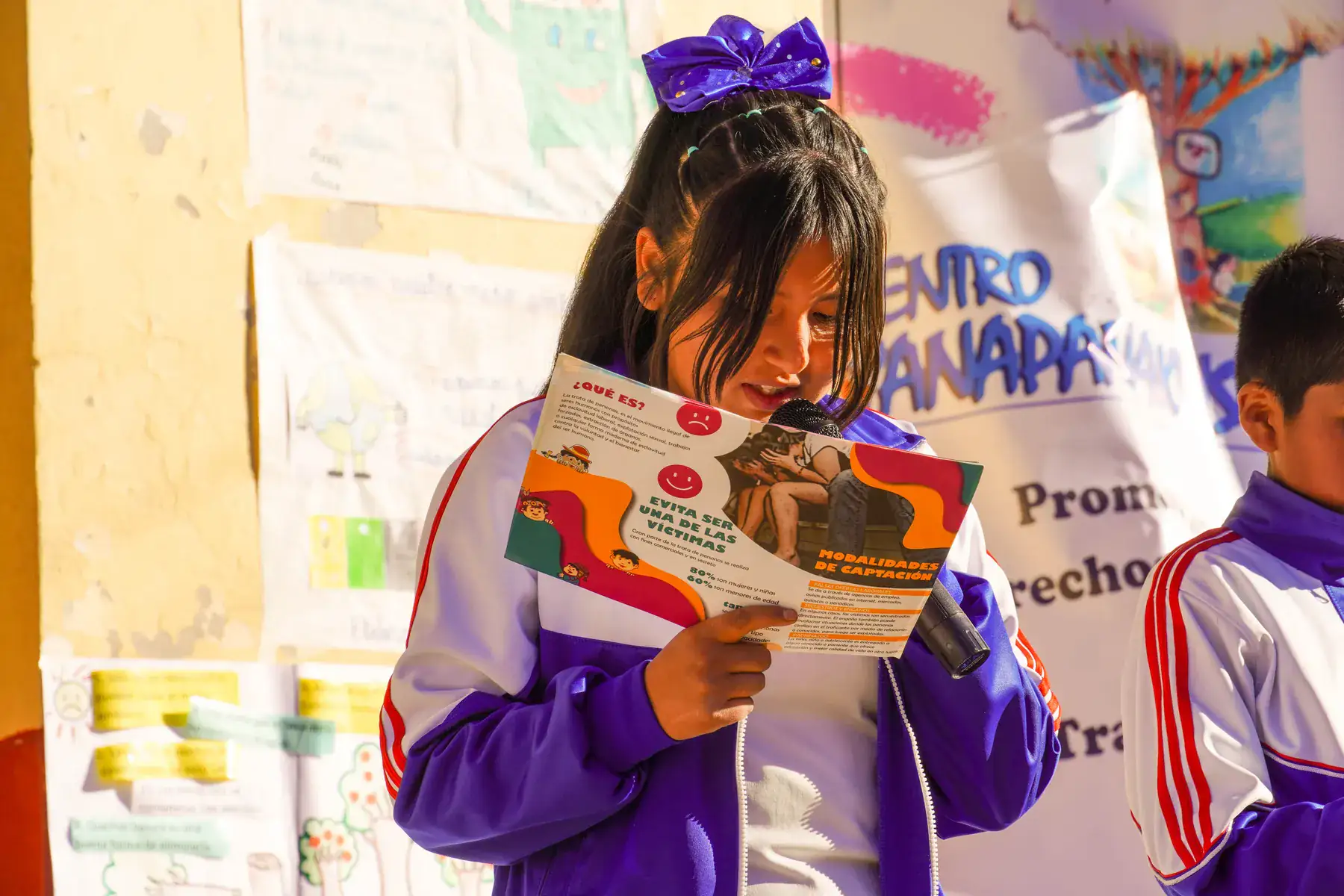
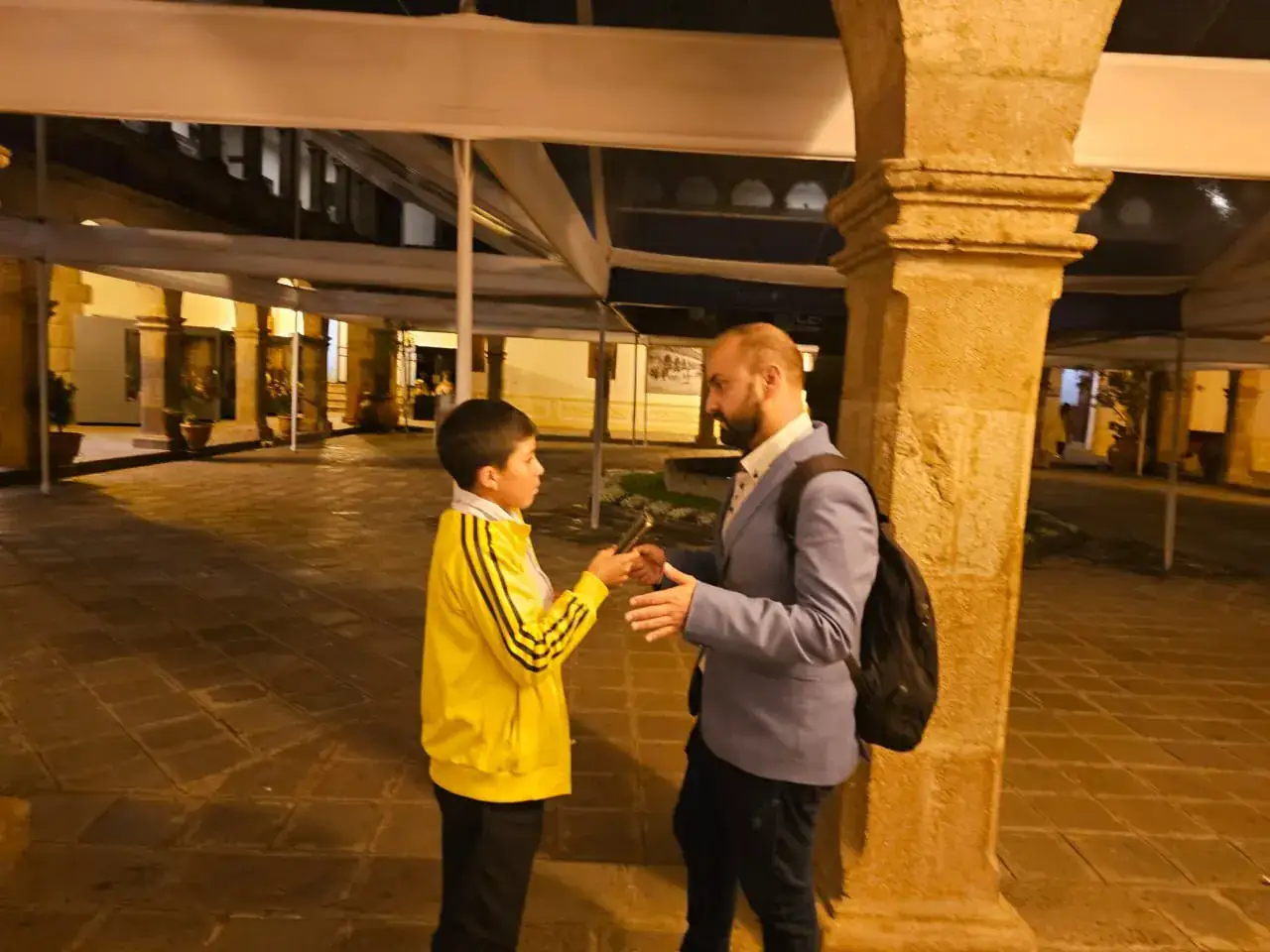
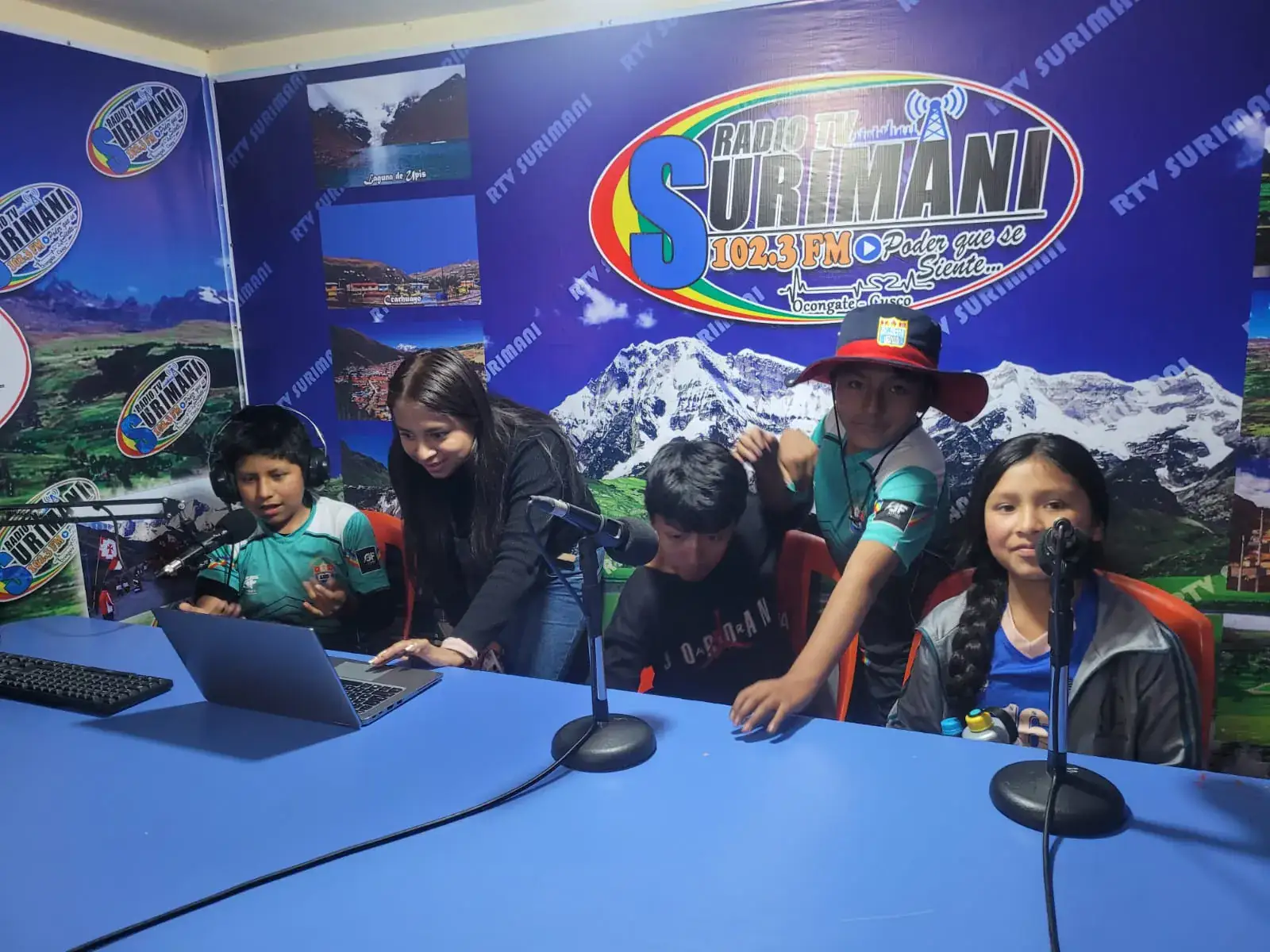
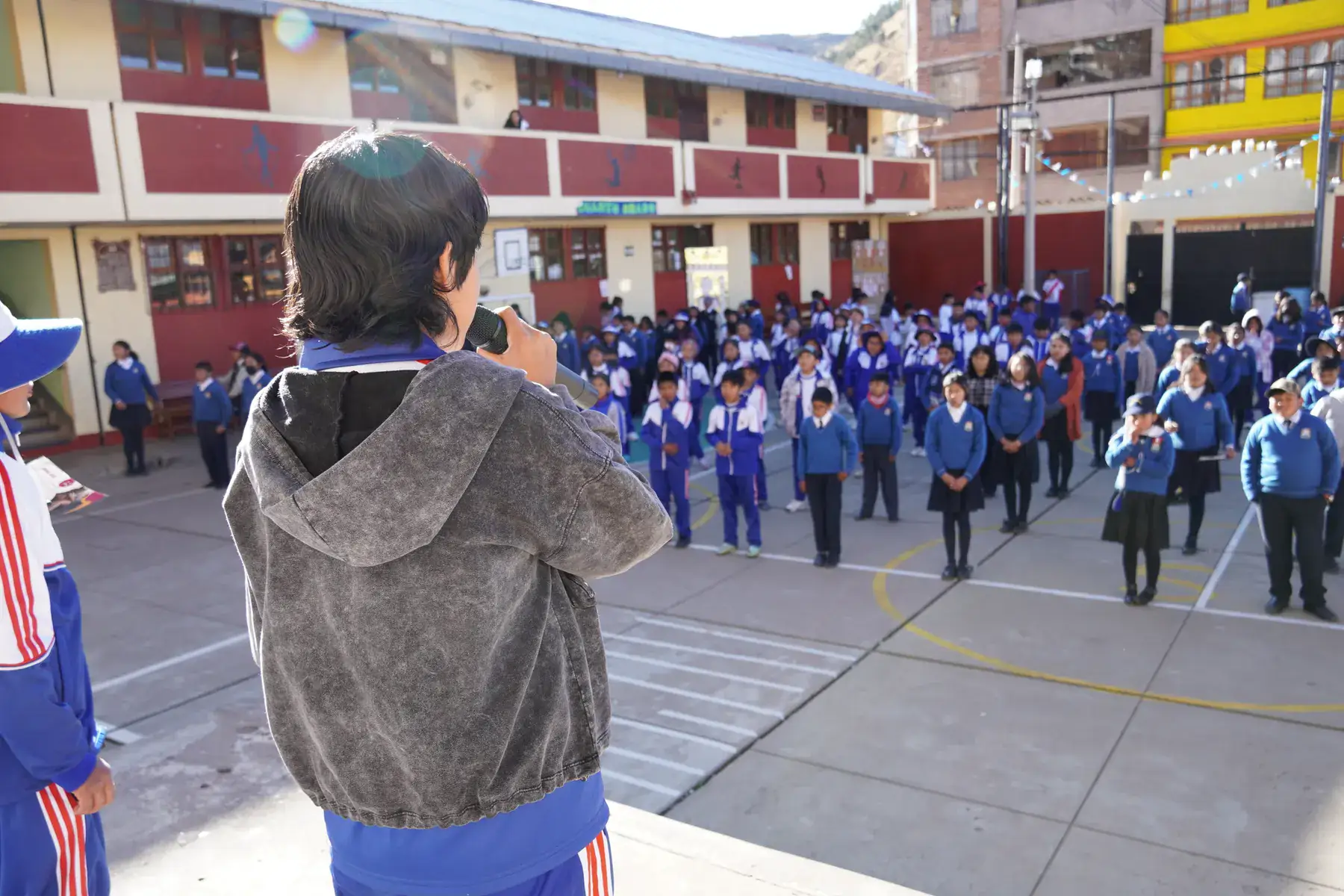
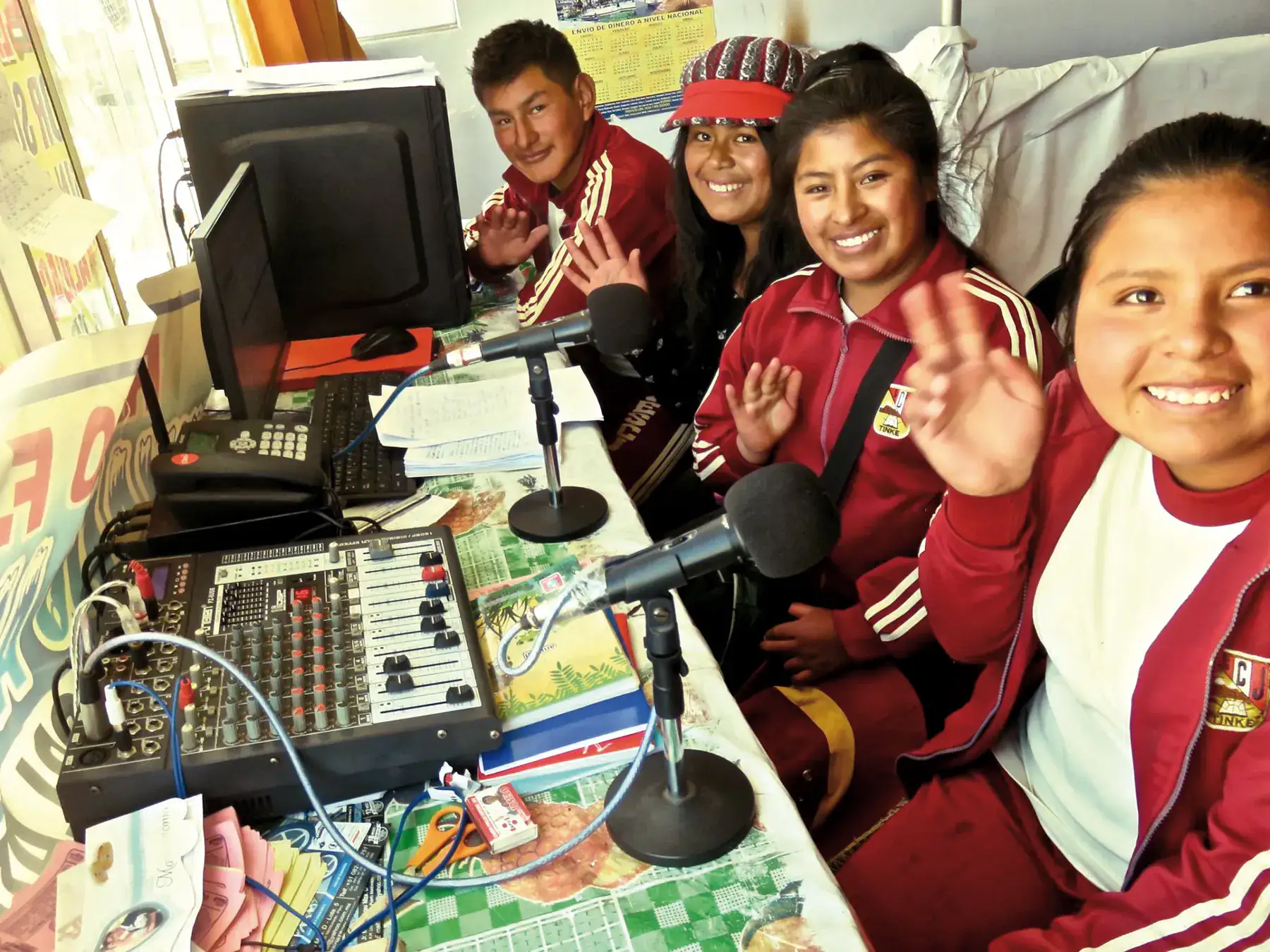
Este programa capacita a adolescentes como periodistas escolares, promoviendo que sean protagonistas en la producción y difusión de contenidos que reflejen sus realidades, opiniones y propuestas. A través de espacios radiales, especialmente en el programa Sonqoykipi T’ikarisunchis, y otros espacios de participación ciudadana, las y los estudiantes visibilizan problemáticas sociales y plantean alternativas para construir instituciones educativas y comunidades más igualitarias, inclusivas y con enfoque de género.
Durante el proceso formativo, las y los participantes adquieren habilidades técnicas en locución, producción, redacción y conducción de programas radiales y contenidos audiovisuales. Asimismo, en articulación con docentes del área de comunicación, participan en espacios de análisis de la coyuntura sociopolítica del país, recuperando además la memoria histórica y las experiencias de resiliencia de sus comunidades, con especial énfasis en las historias de vida de mujeres.
Espacio virtual para el protagonismo juvenil, el intercambio regional y la construcción de pronunciamientos colectivos.
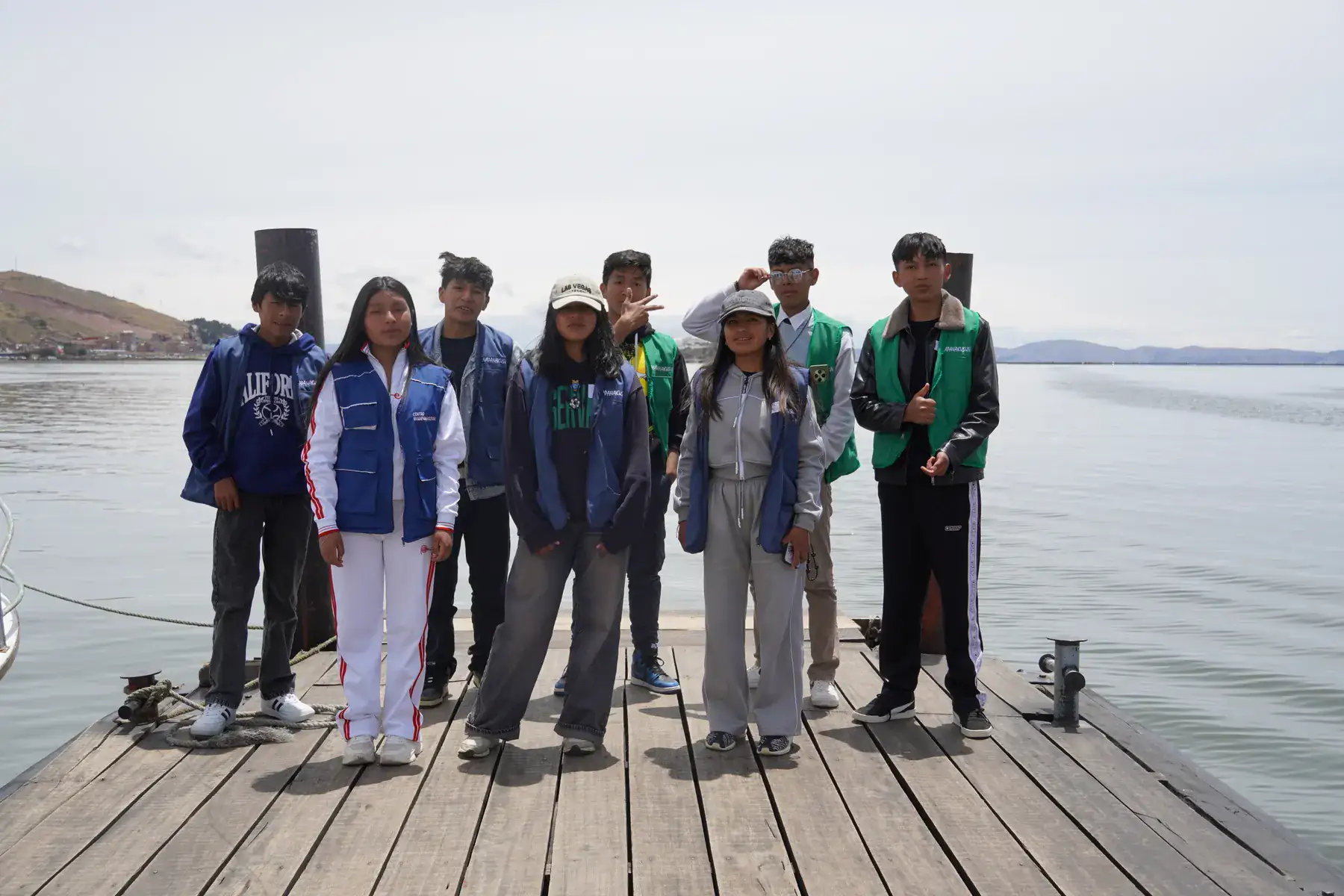
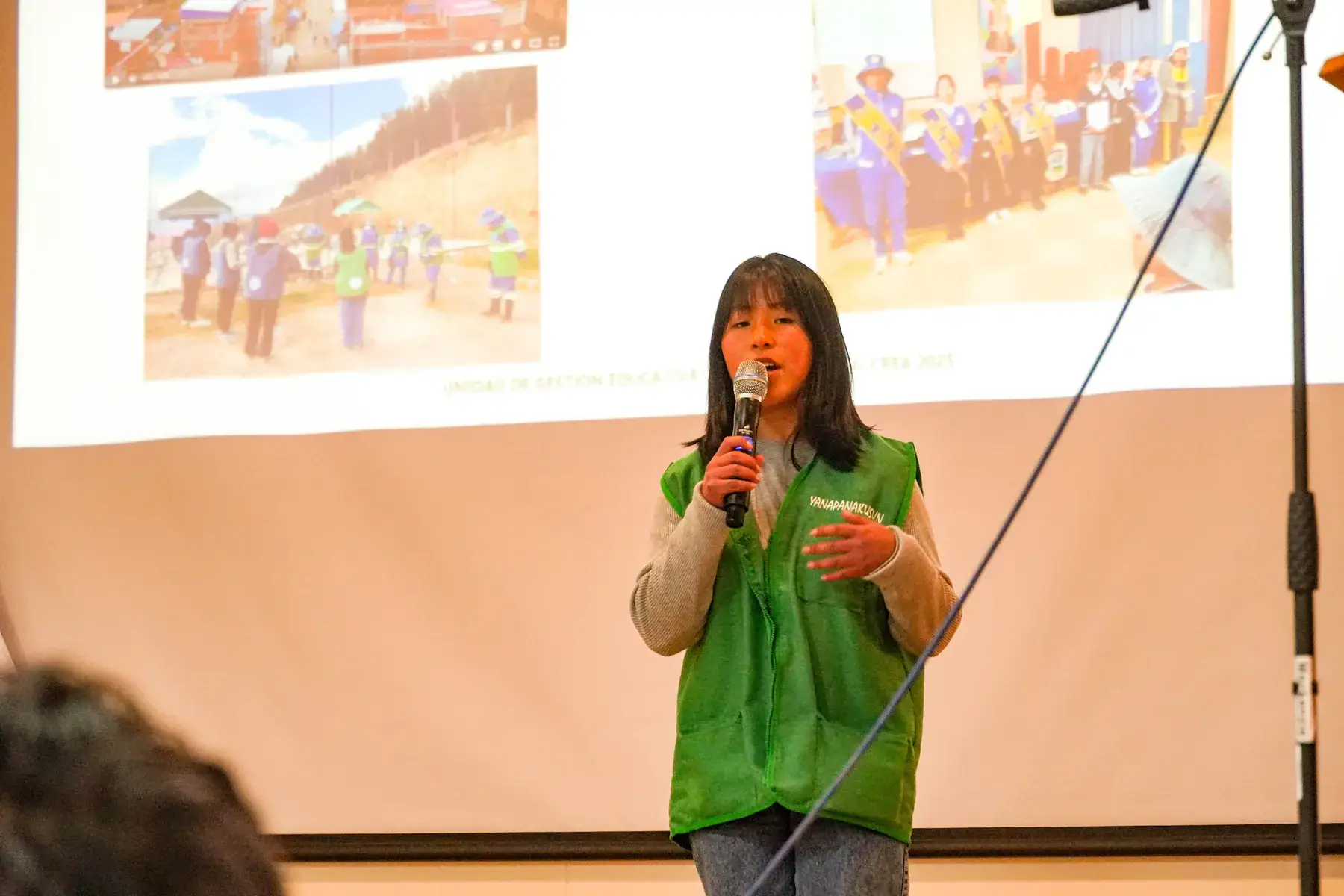
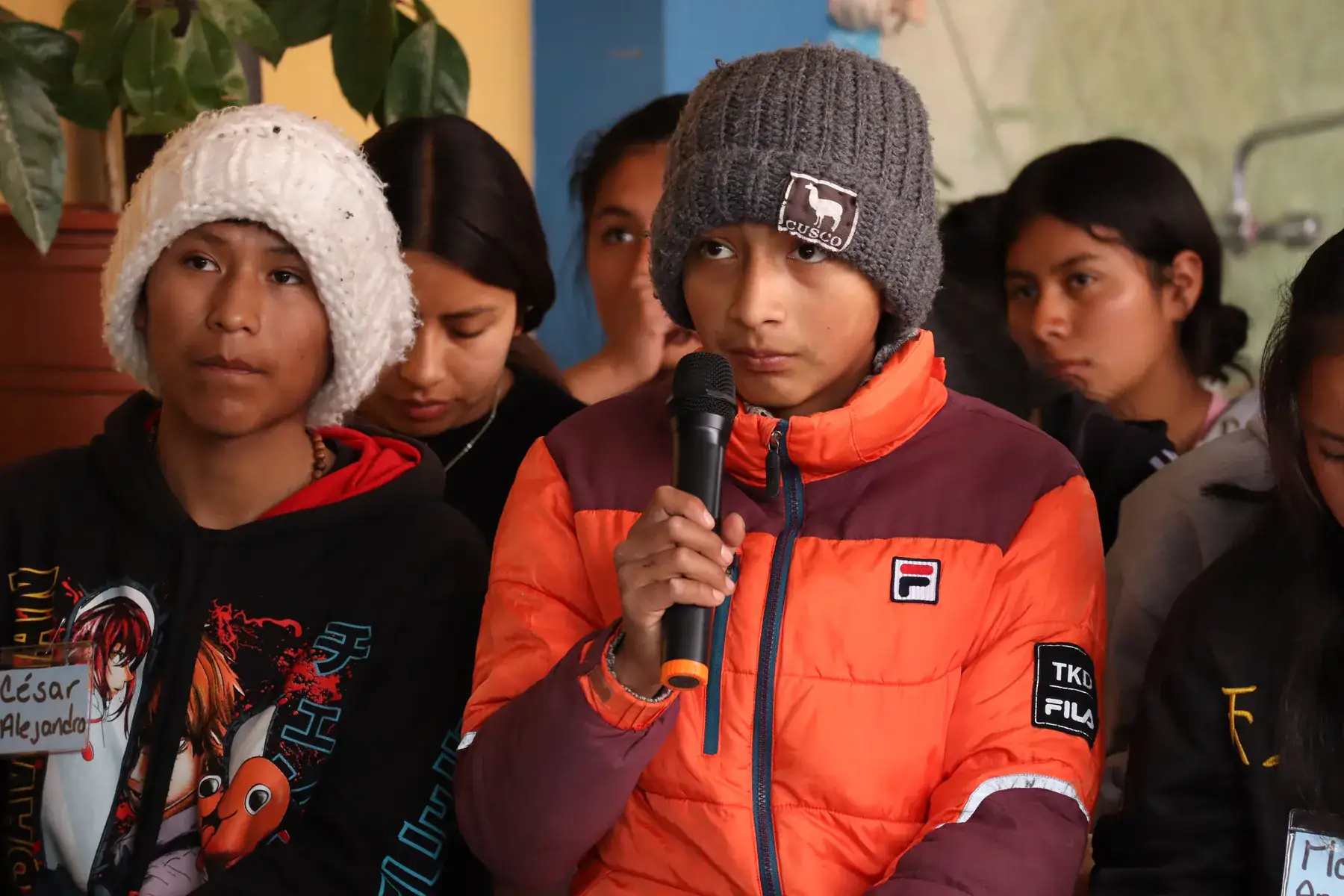
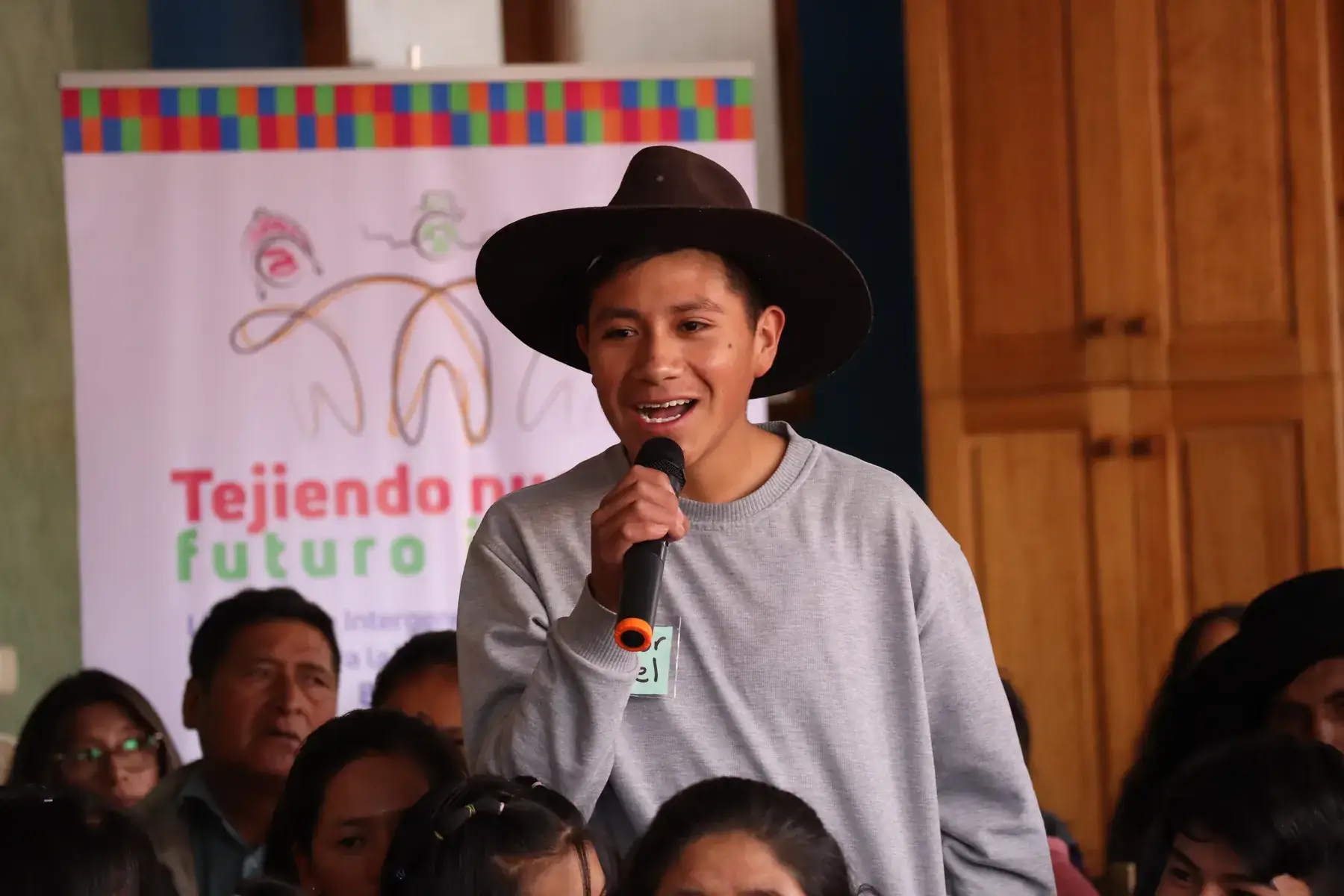
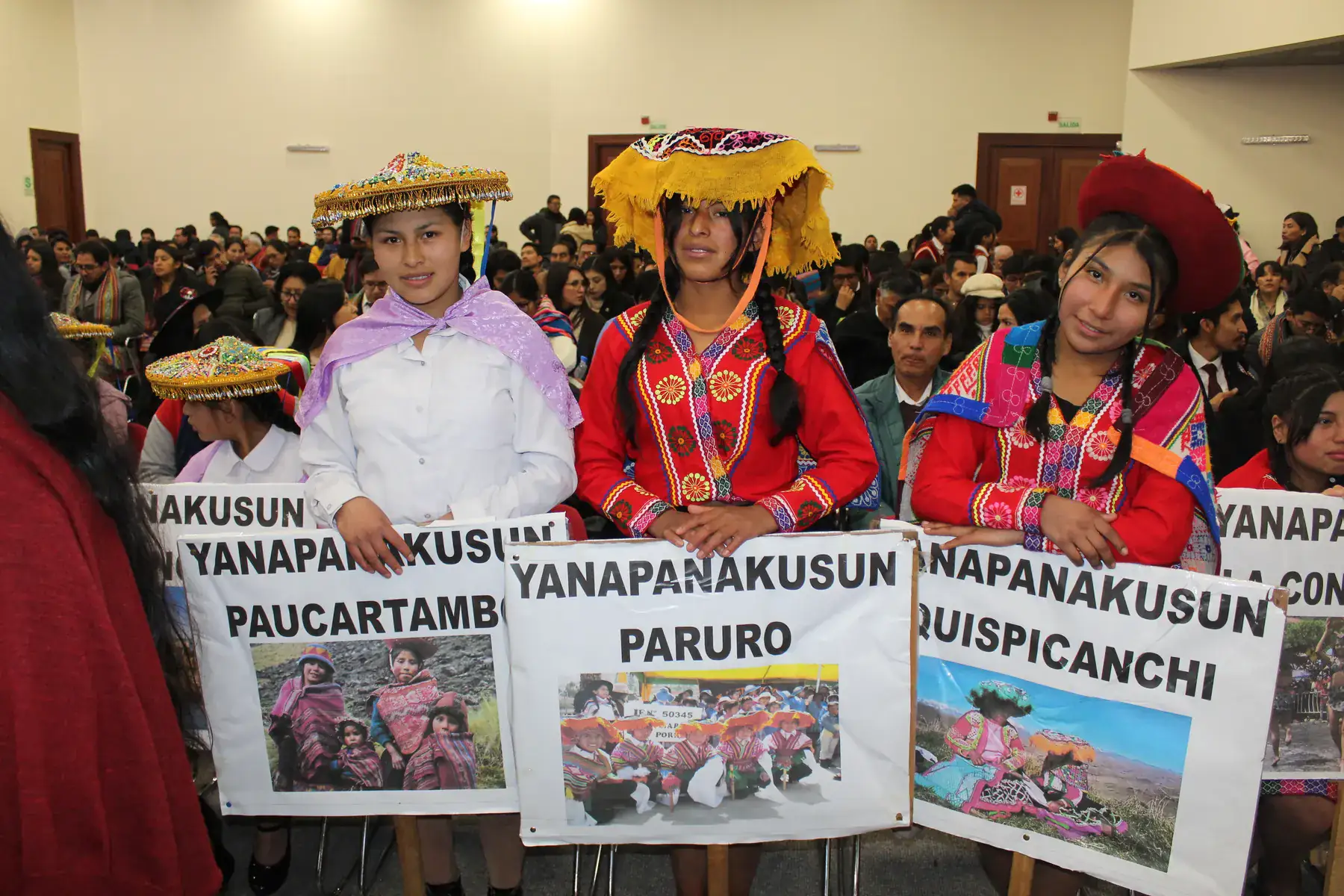
La Red YANAPANAKUSUN es un espacio virtual de encuentro e intercambio donde niñas, niños, adolescentes y jóvenes (NNAJ) de regiones como Cusco, Lima, Puno y Ucayali comparten sus percepciones, experiencias y realidades comunitarias. A través de estos encuentros, dialogan sobre problemáticas sociales, culturales y ambientales, así como sobre sus costumbres y tradiciones, promoviendo el reconocimiento y la valoración de la diversidad.
Este espacio está diseñado para el protagonismo juvenil, donde las y los participantes se expresan libremente sin intervención directa de personas adultas. Como resultado de cada encuentro, elaboran pronunciamientos colectivos sobre los temas abordados, fortaleciendo su voz y capacidad de incidencia. Asimismo, se produce el boletín digital Kusi Kawsay, que recoge sus reflexiones y es difundido a través de las plataformas institucionales, ampliando el alcance de sus propuestas.
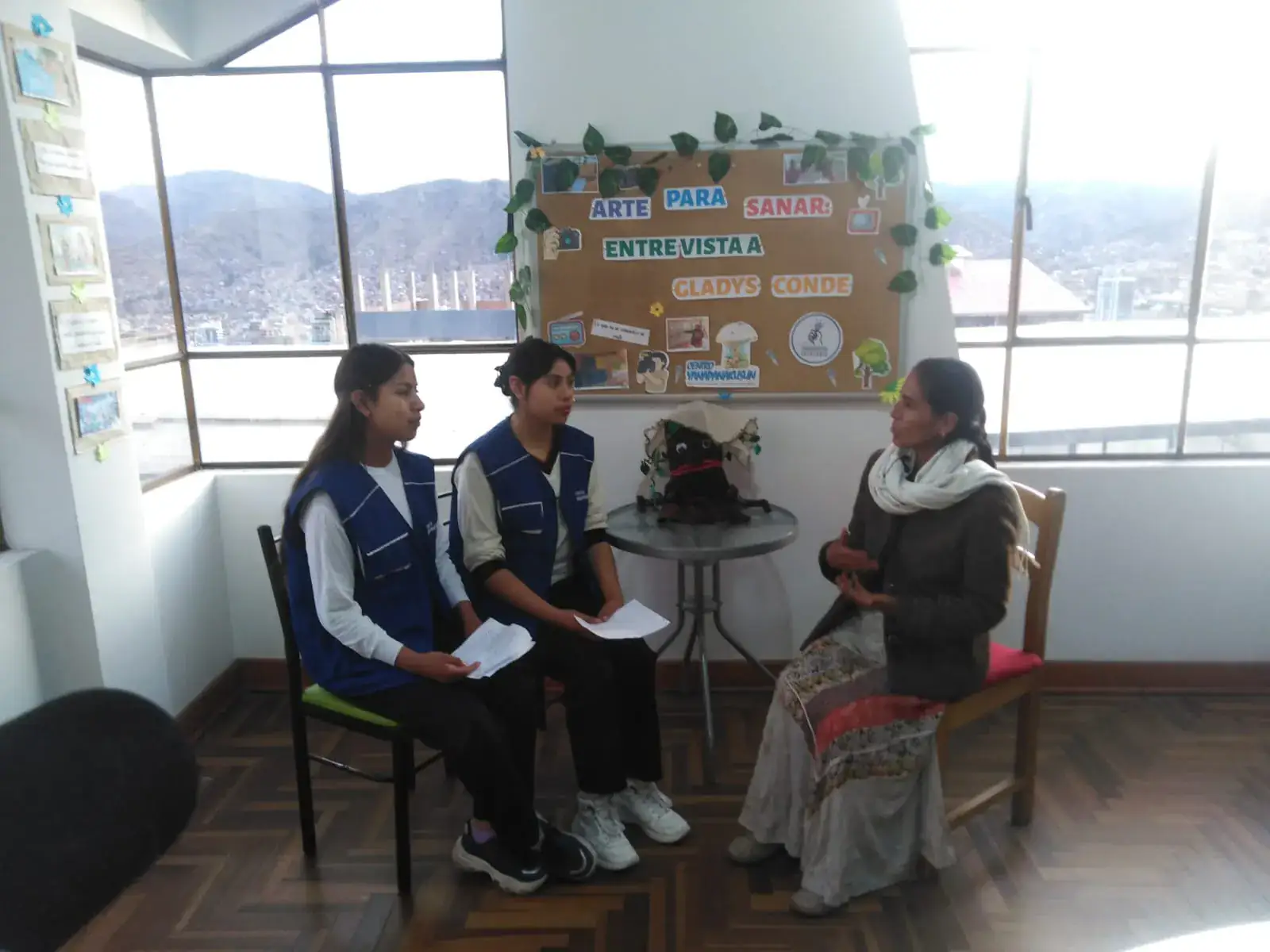
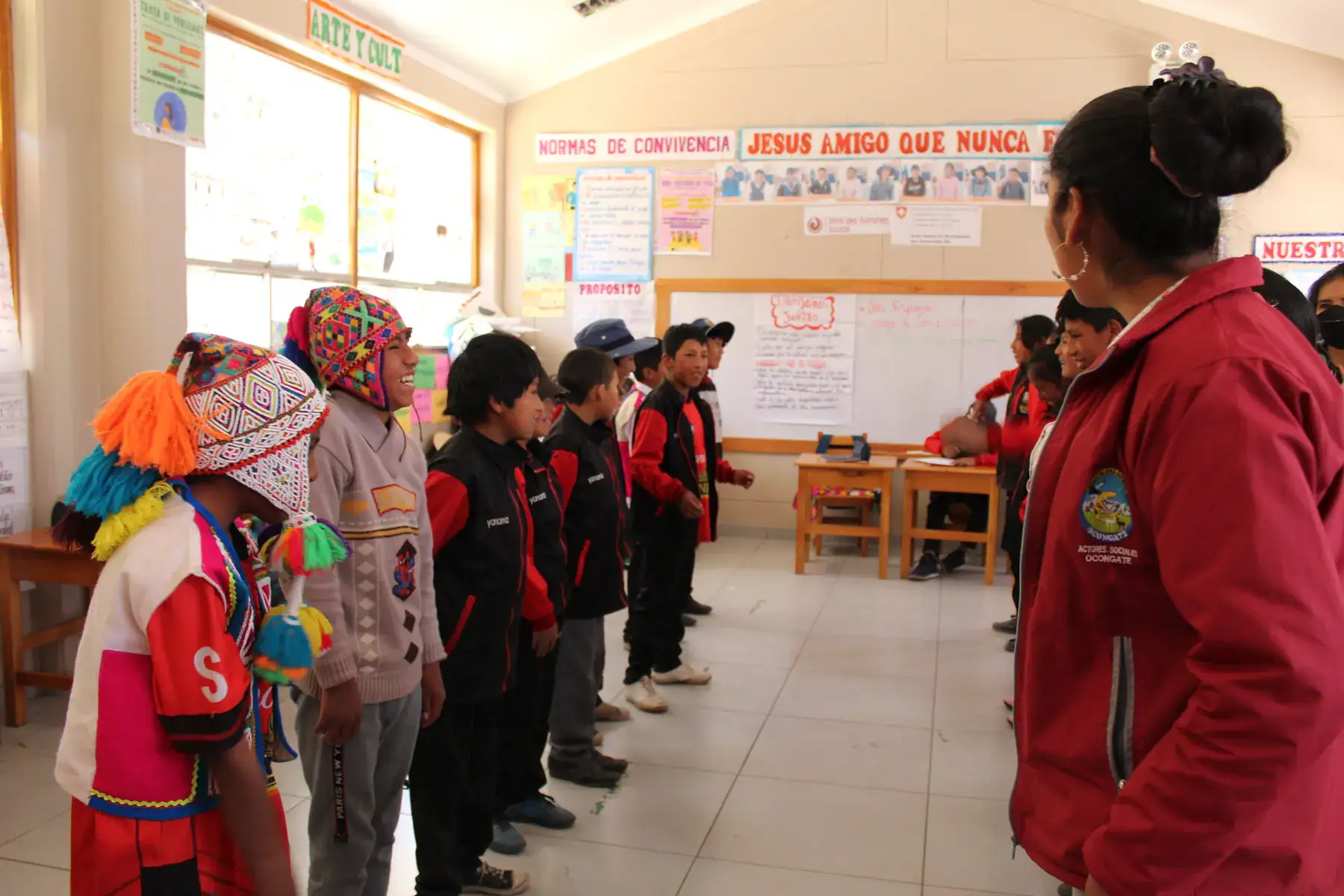
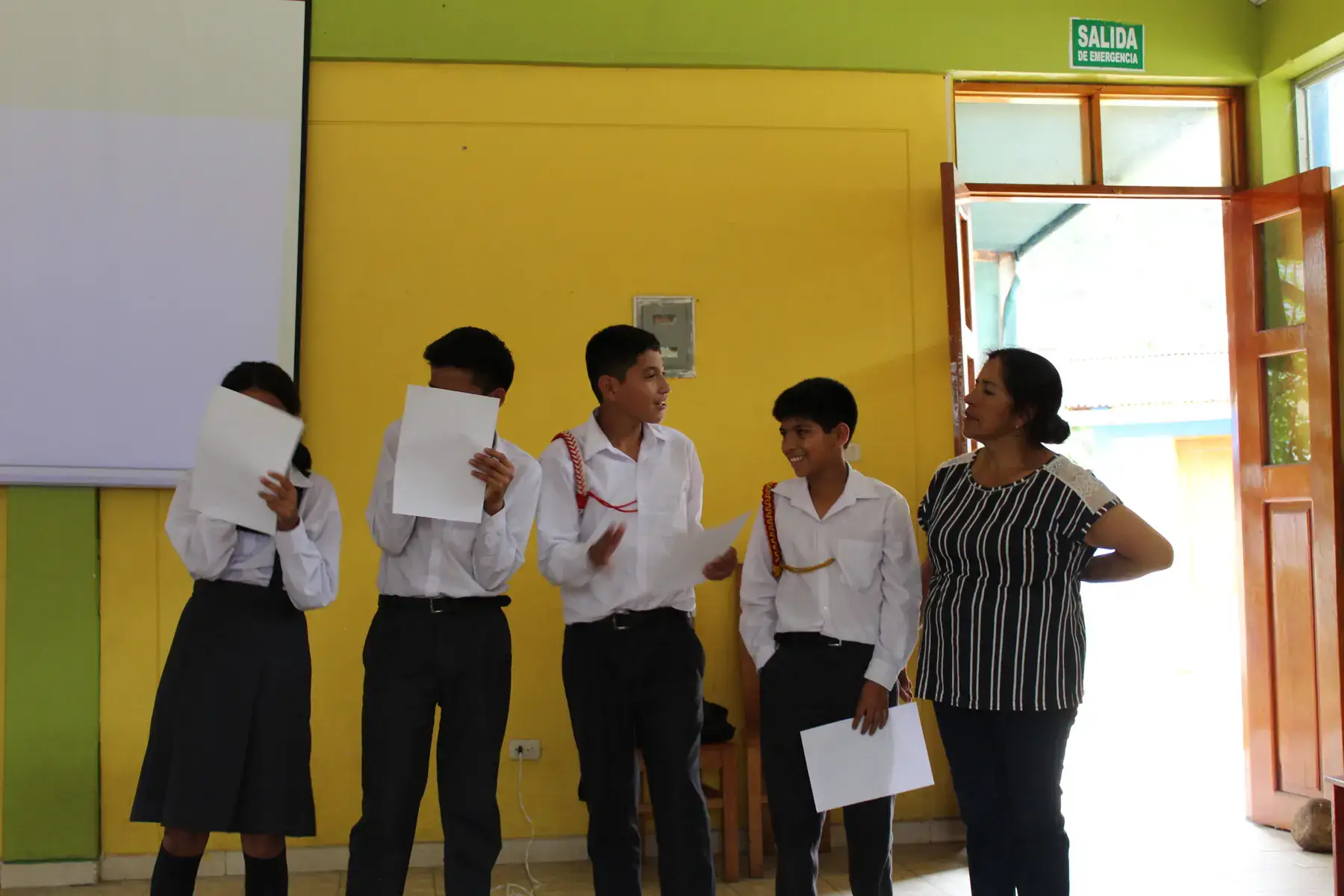
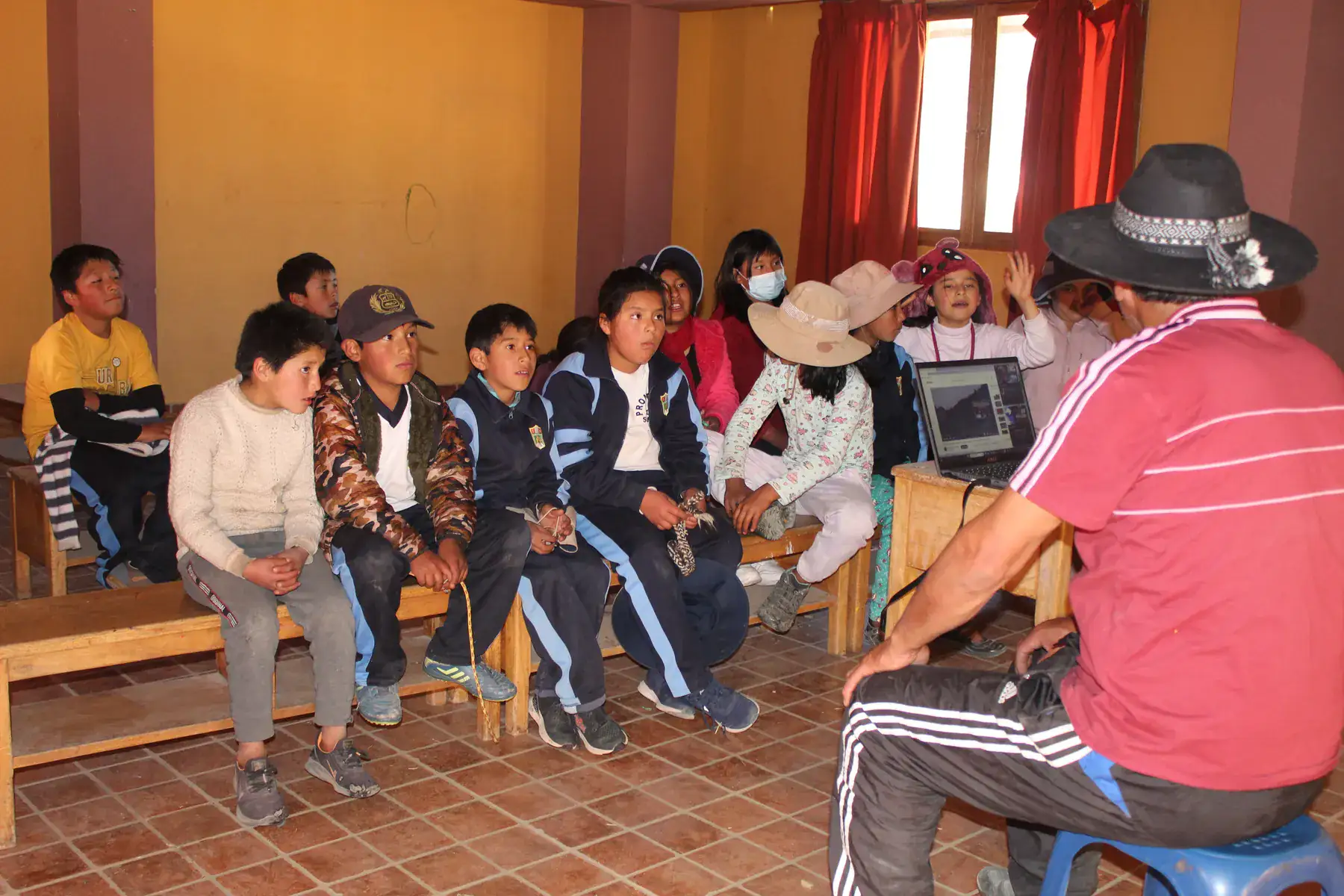
Producción audiovisual hecha por adolescentes y jóvenes para contar sus territorios desde una mirada propia.
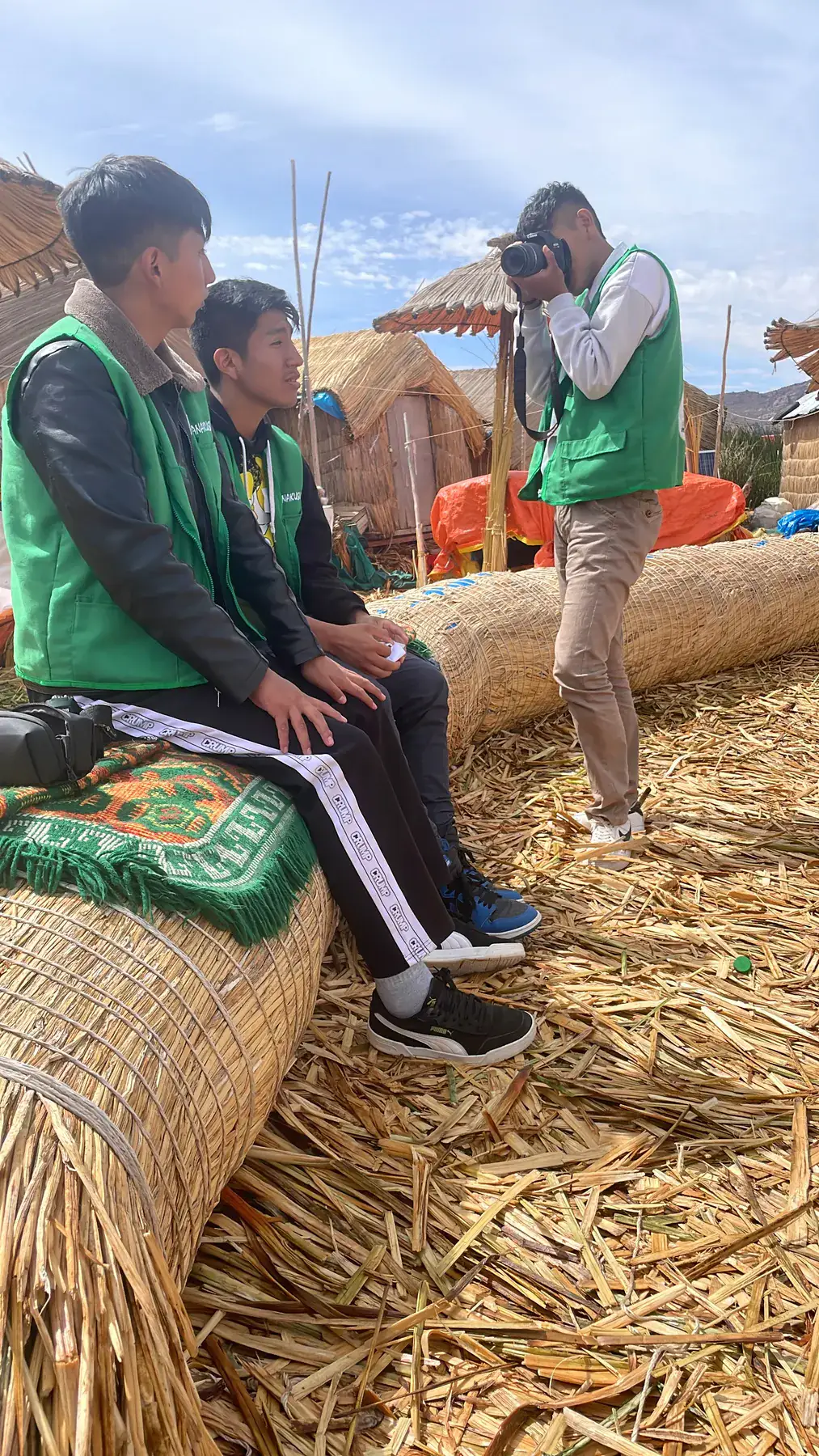
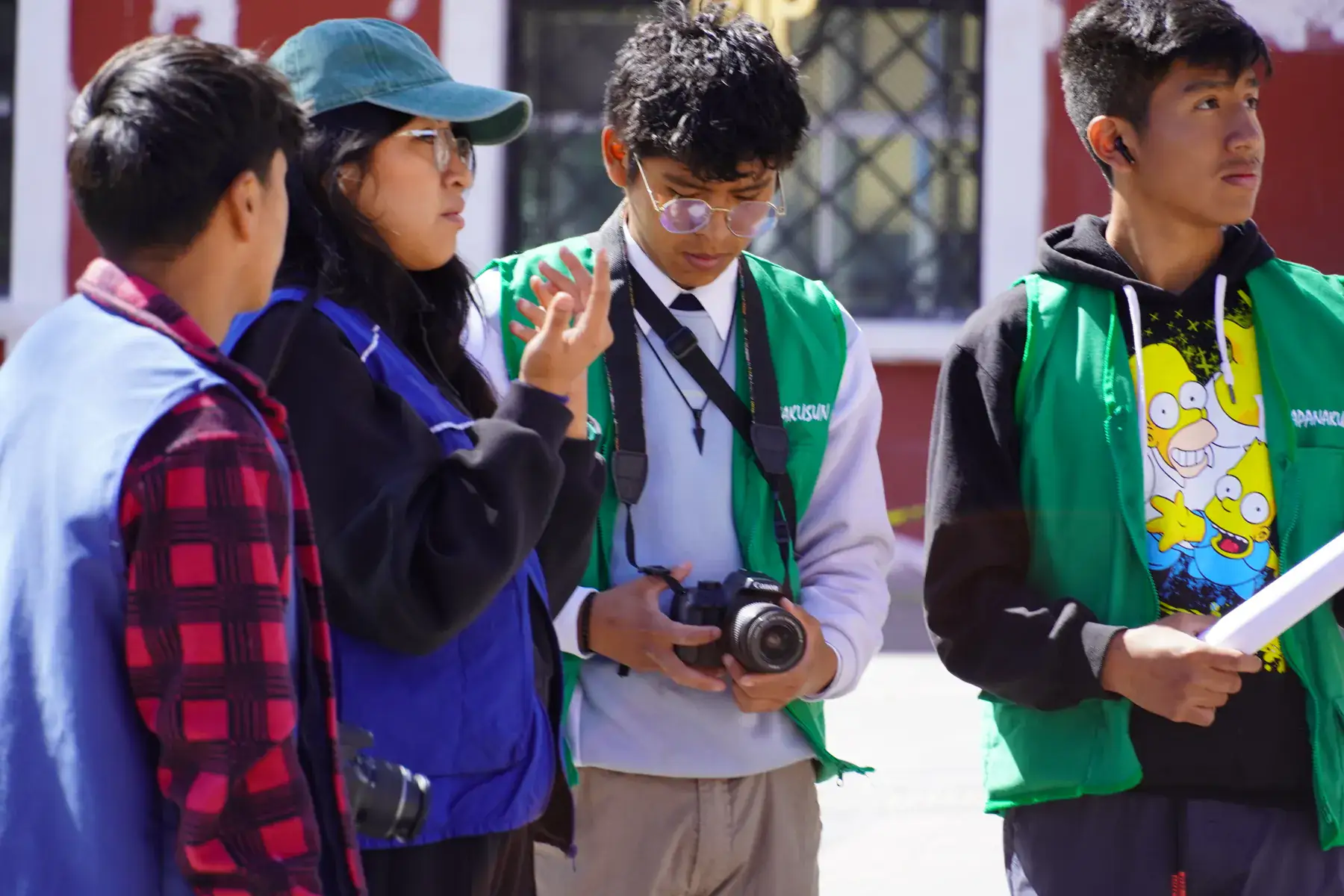
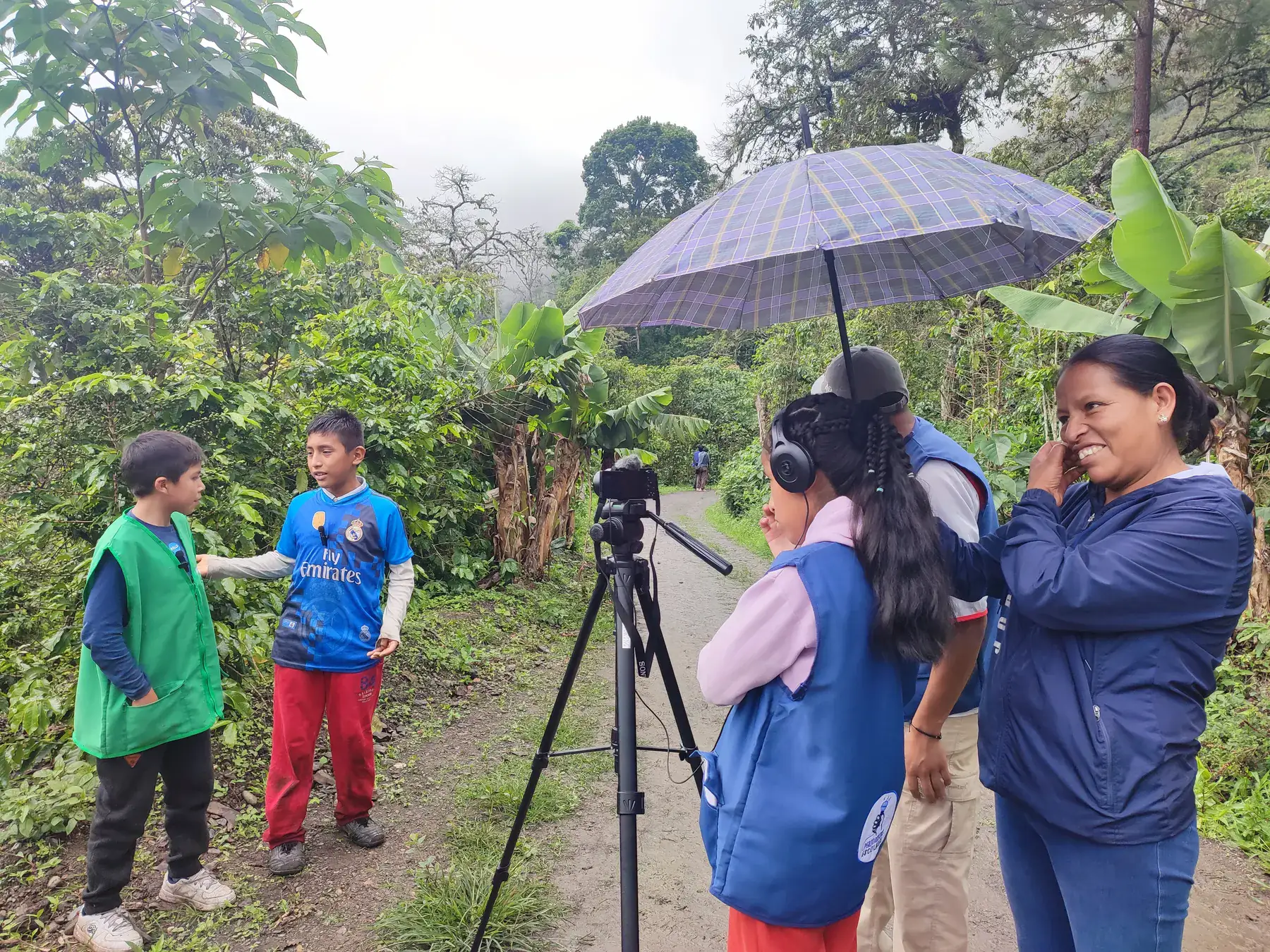
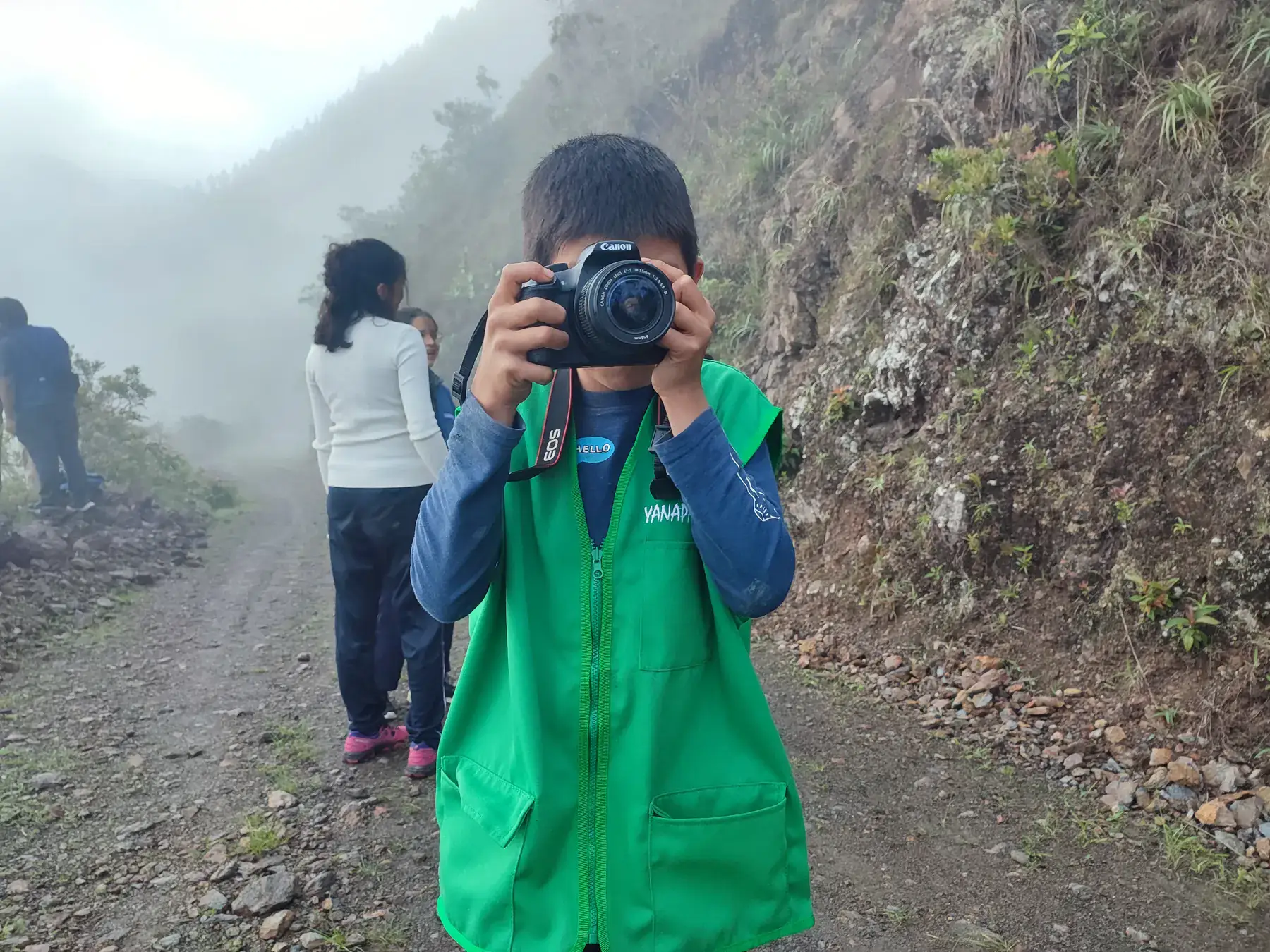
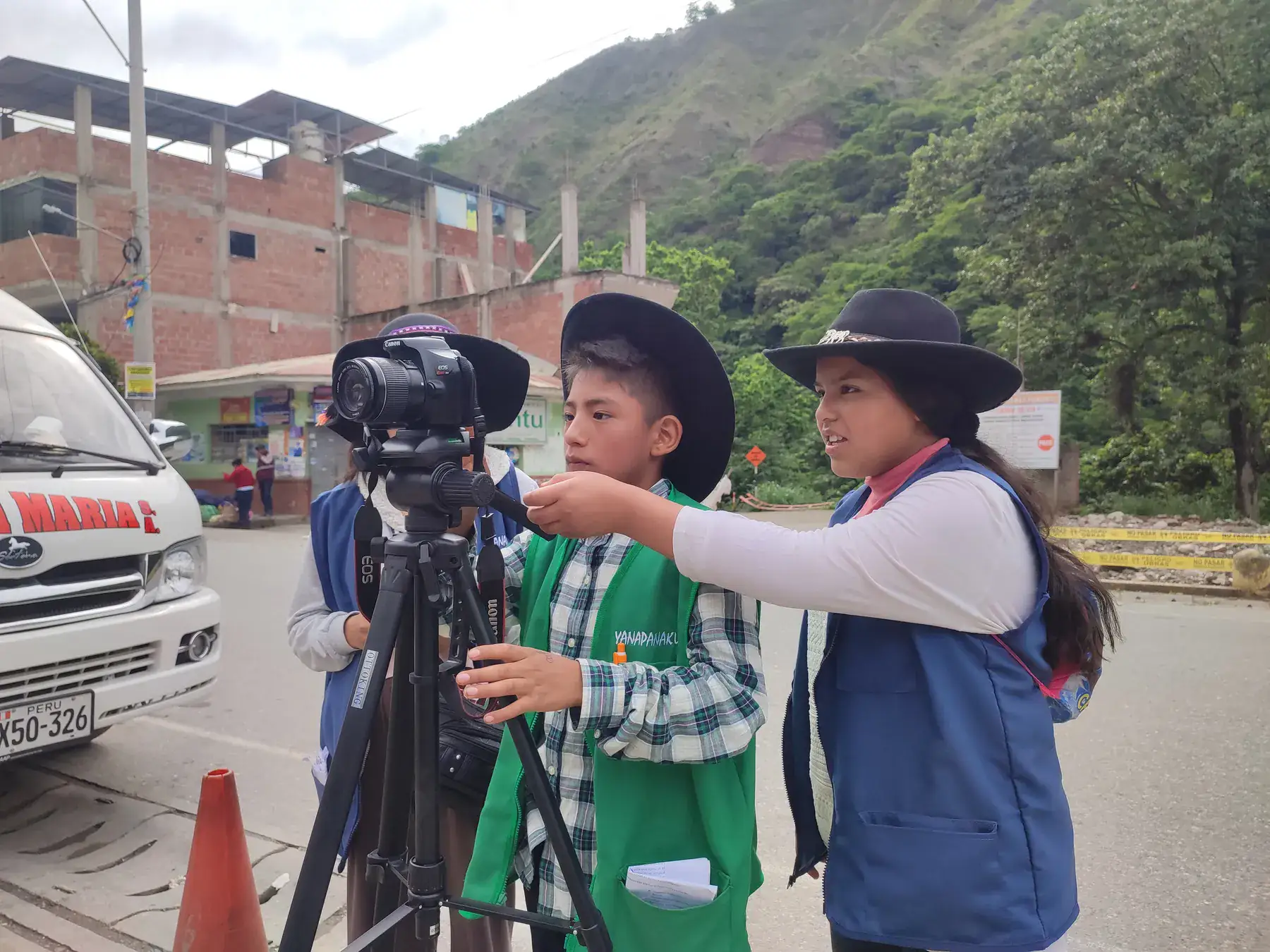
Producción de micro reportajes socioeducativos que abordan temáticas sociales y ambientales desde la mirada de adolescentes y jóvenes, quienes asumen el rol de protagonistas en todo el proceso de creación. Estos contenidos son desarrollados a partir de un acompañamiento formativo que fortalece sus habilidades comunicativas, investigativas y creativas.
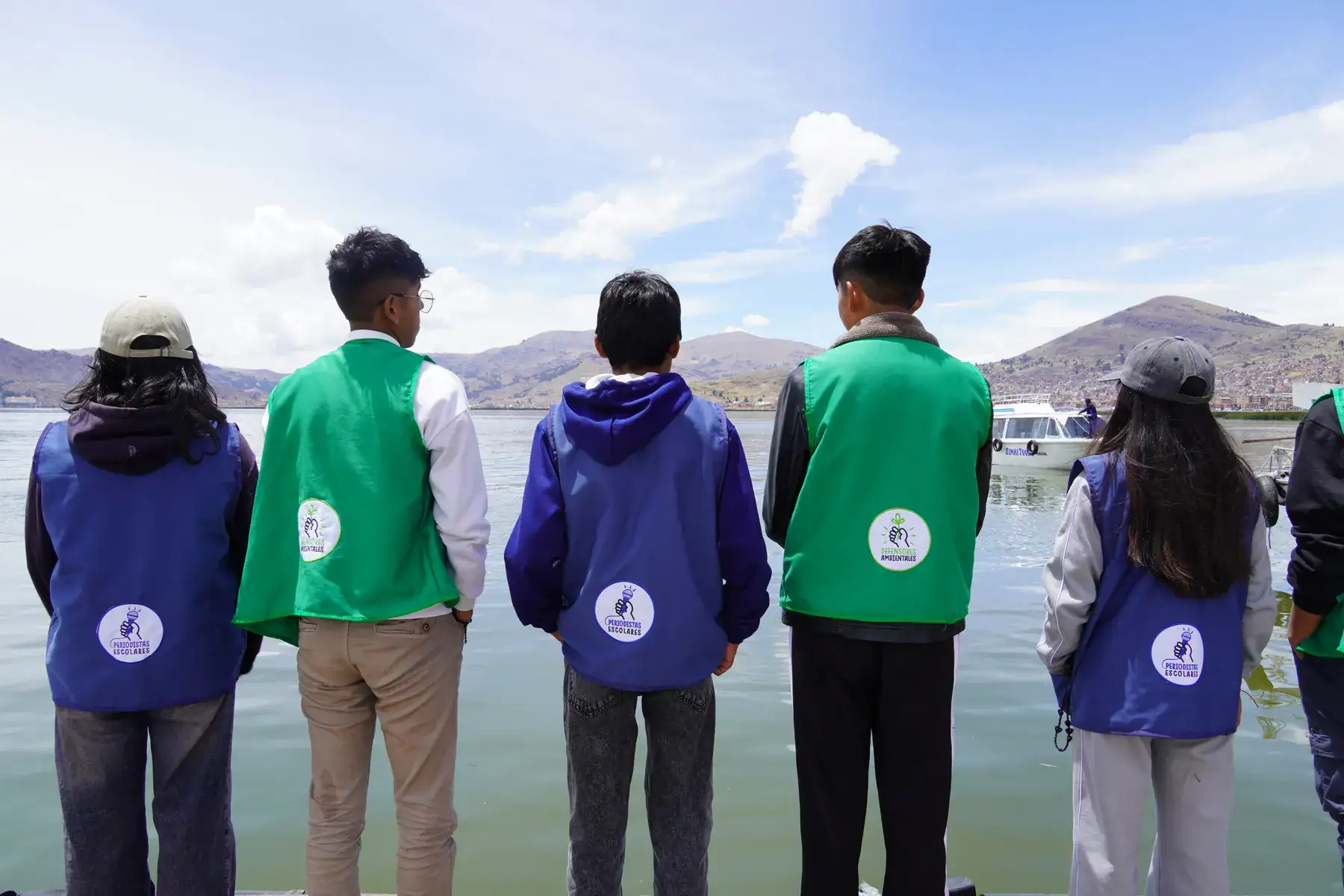
El proceso promueve el intercambio de conocimientos entre periodistas escolares y defensores ambientales, integrando distintas perspectivas para la construcción de contenidos críticos y propositivos. Los productos finales —como reportajes y documentales breves— son difundidos a través de diversas plataformas digitales, contribuyendo a visibilizar las problemáticas de sus territorios y a sensibilizar a la comunidad en general.