CAITH
Integra hábitos de alimentación saludable, autocuidado y responsabilidad ambiental en procesos educativos que fortalecen el bienestar cotidiano.
Fomentamos una cultura ambiental responsable mediante procesos educativos que integran el cuidado del entorno y la seguridad alimentaria. Implementamos iniciativas como biohuertos escolares y comunitarios, minihuertos educativos y talleres de alimentación saludable, promoviendo prácticas sostenibles y el consumo de productos locales. Estas acciones fortalecen la relación de las comunidades con su territorio y sus recursos naturales.
Además, impulsamos la formación de defensores ambientales que monitorean y protegen su entorno, generando conciencia colectiva. Promovemos ferias agroecológicas, bancos de semillas nativas y campañas sobre soberanía alimentaria, complementadas con materiales educativos y experiencias prácticas. También articulamos estas acciones con el turismo responsable, resaltando el valor de la gastronomía local y el respeto por el medio ambiente.
Cuidar el ambiente también significa defender la salud, la alimentación y los saberes que sostienen la vida comunitaria.
Integra hábitos de alimentación saludable, autocuidado y responsabilidad ambiental en procesos educativos que fortalecen el bienestar cotidiano.
Promueve minihuertos, defensores ambientales y encuentros binacionales que conectan soberanía alimentaria con acción colectiva.
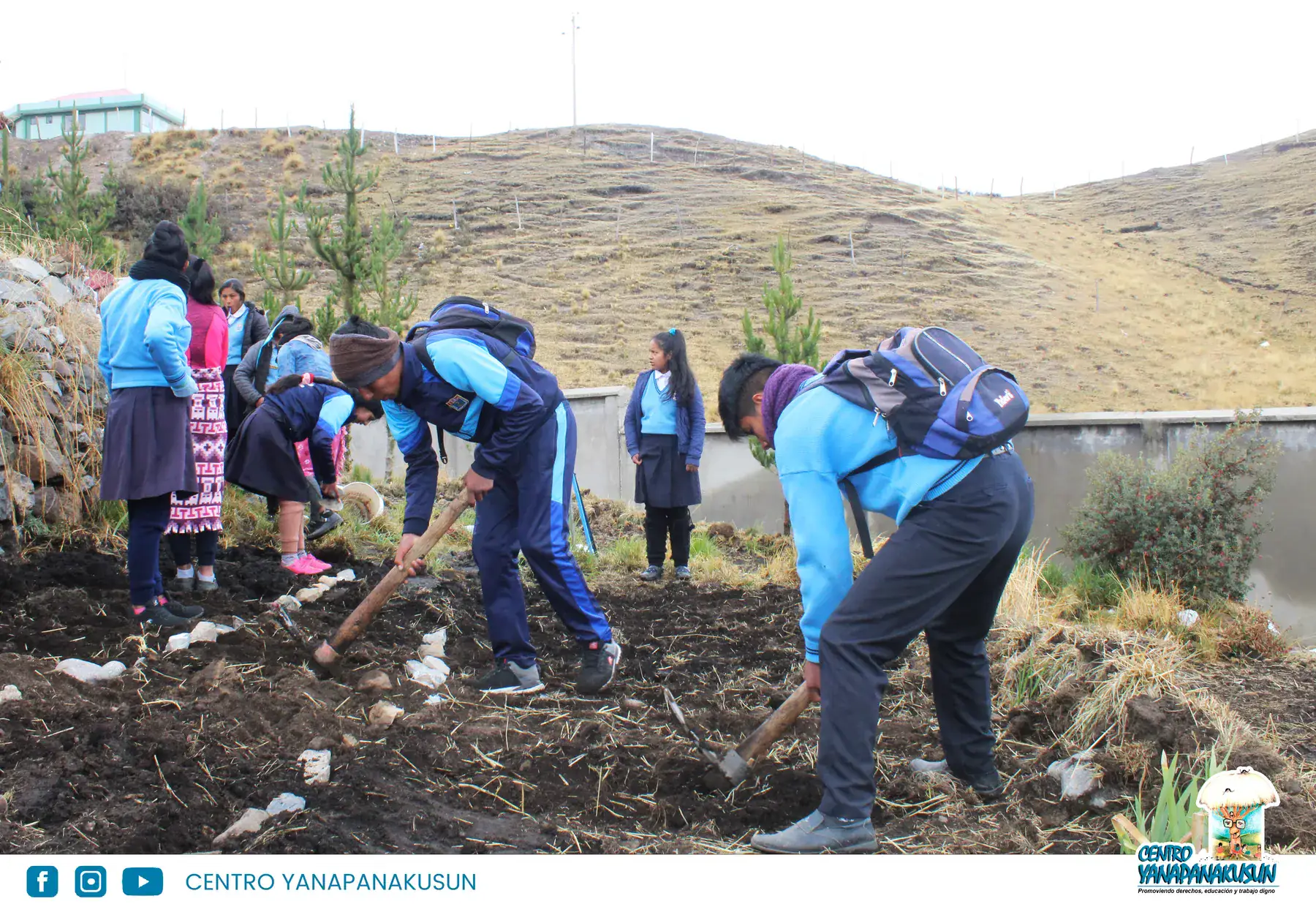
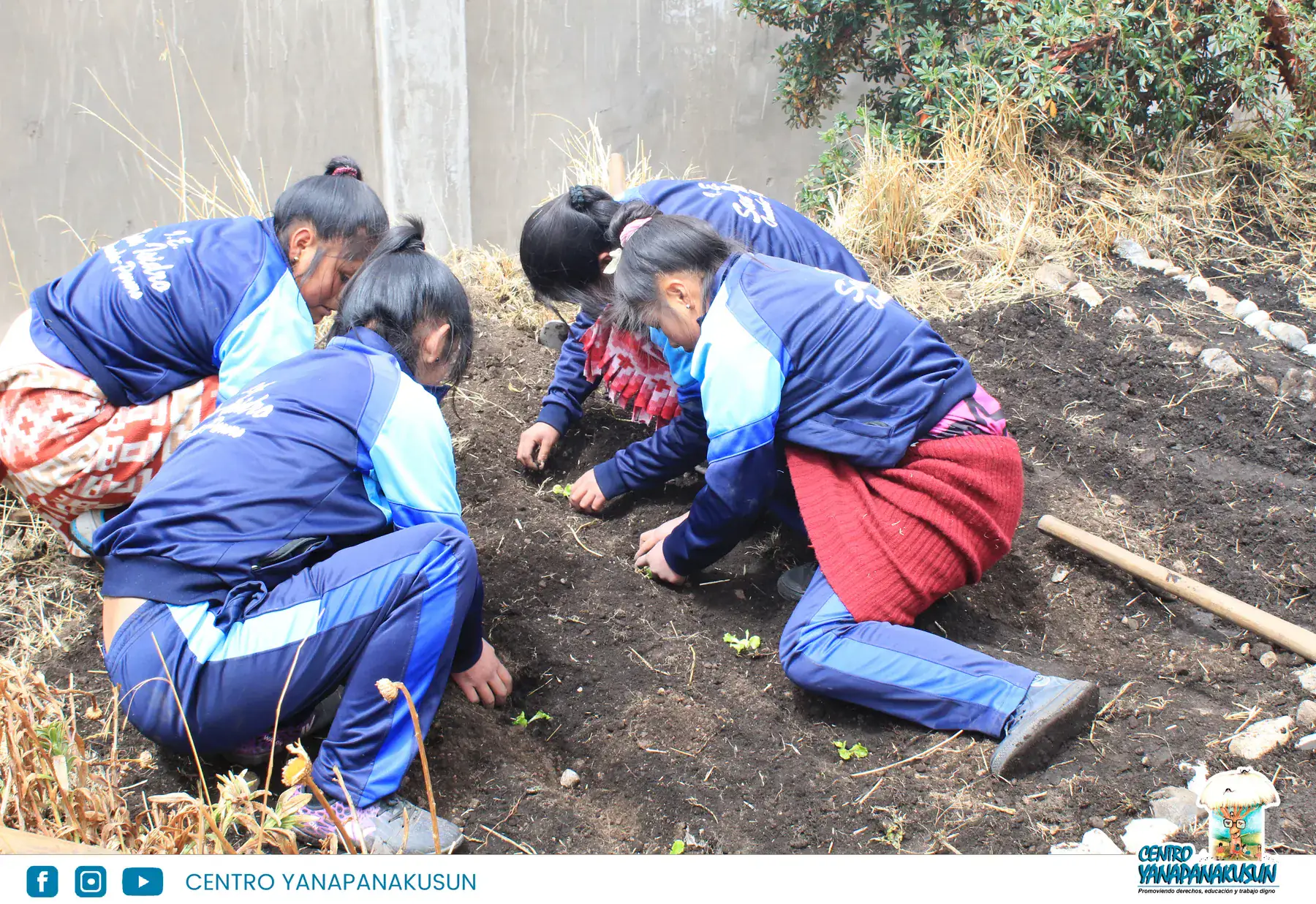
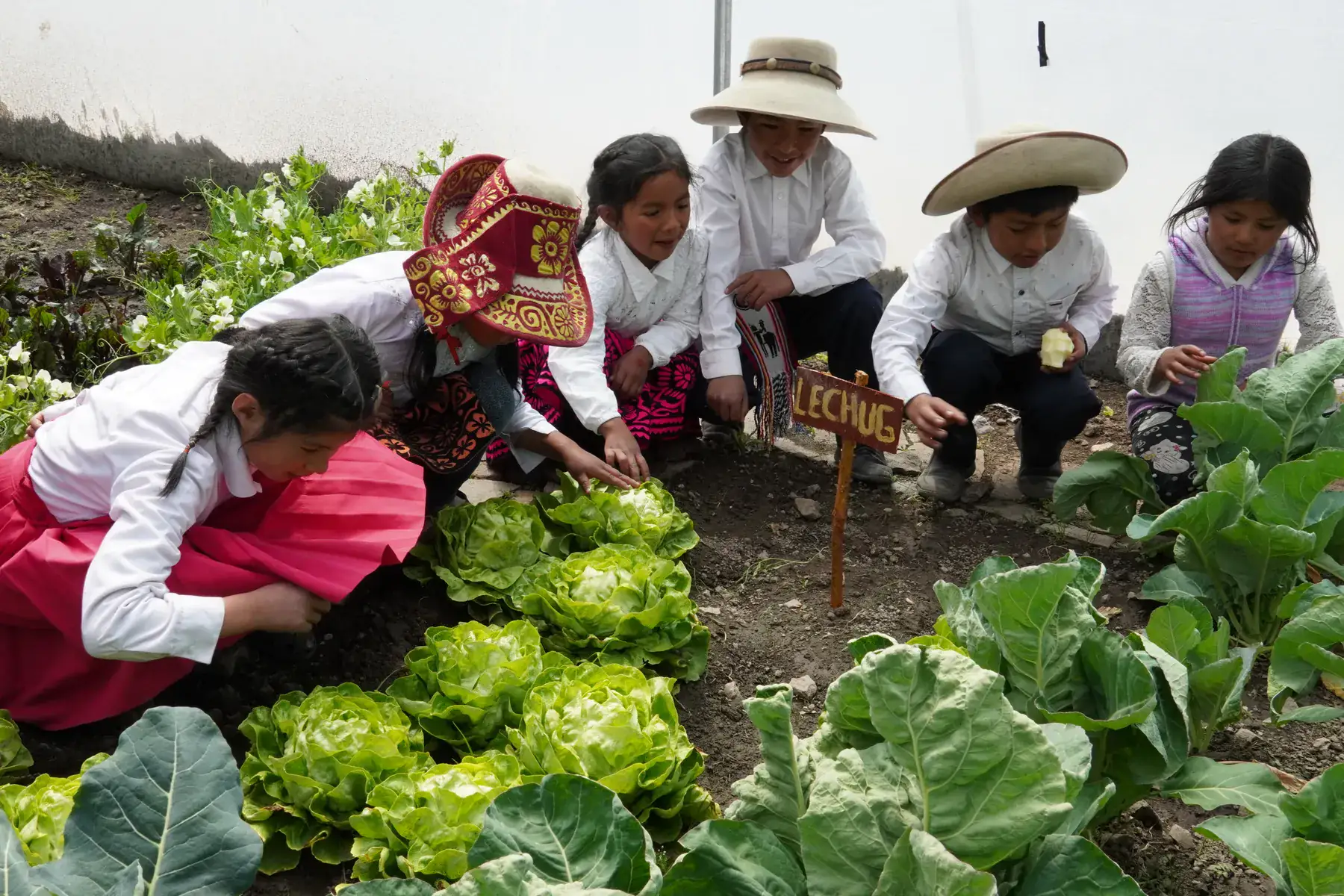
Fitotoldos y minihuertos para aprender cultivando alimentos y fortaleciendo hábitos saludables.
Como parte del proceso formativo del curso virtual de Defensores Ambientales “Por el derecho a un planeta sano”, implementamos fitotoldos y minihuertos en diversas instituciones educativas. Estos espacios permiten que estudiantes aprendan de manera práctica sobre el cultivo de alimentos, promoviendo hábitos de alimentación saludable y el uso responsable de los recursos naturales.
A través de esta iniciativa, se fomenta el cuidado del medio ambiente, la valoración del trabajo agrícola y la apropiación de prácticas sostenibles desde edades tempranas. Además, los minihuertos se convierten en espacios pedagógicos donde se fortalecen conocimientos sobre soberanía alimentaria, nutrición y sostenibilidad, vinculando el aprendizaje con la vida cotidiana y el contexto local.
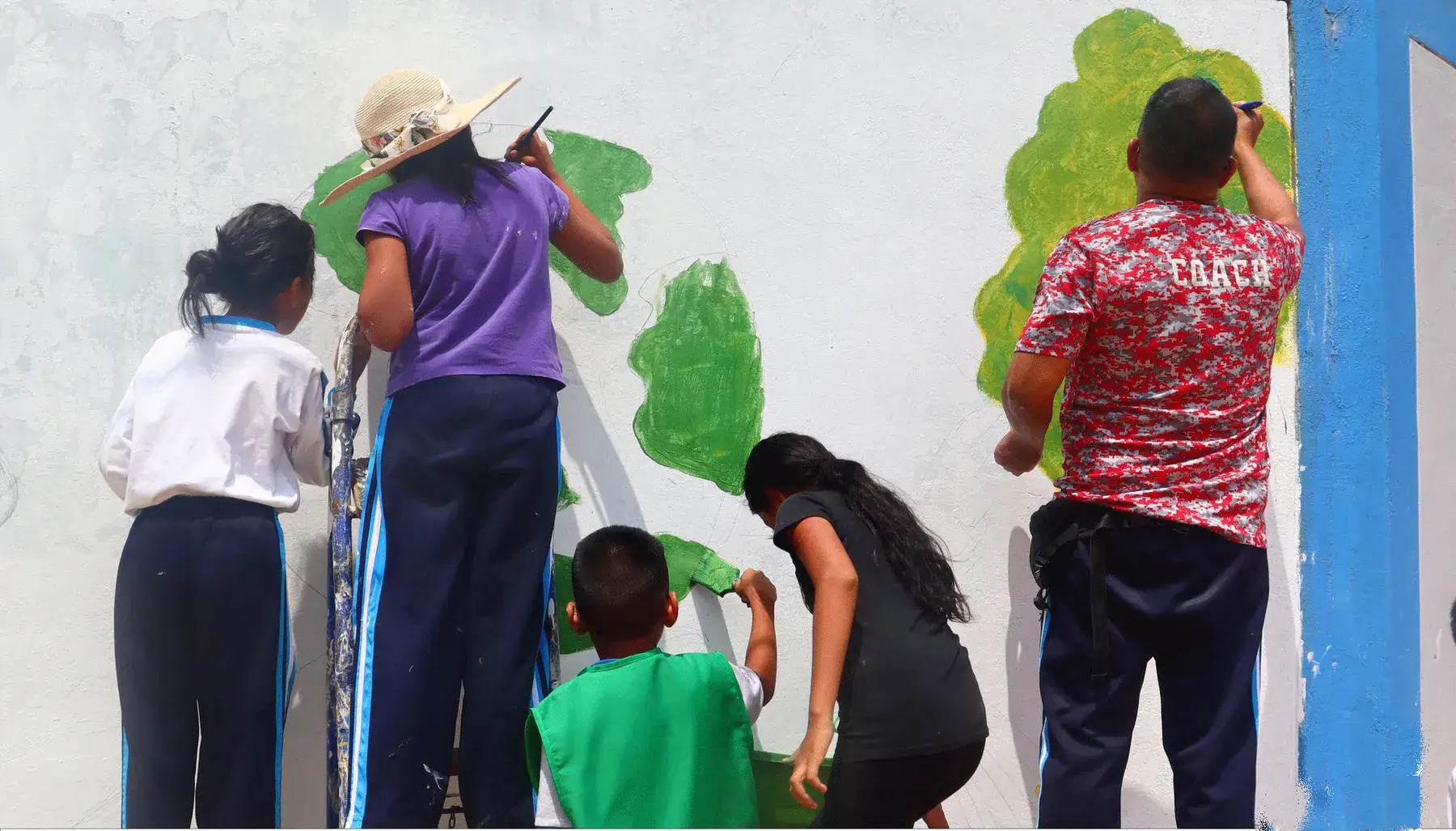
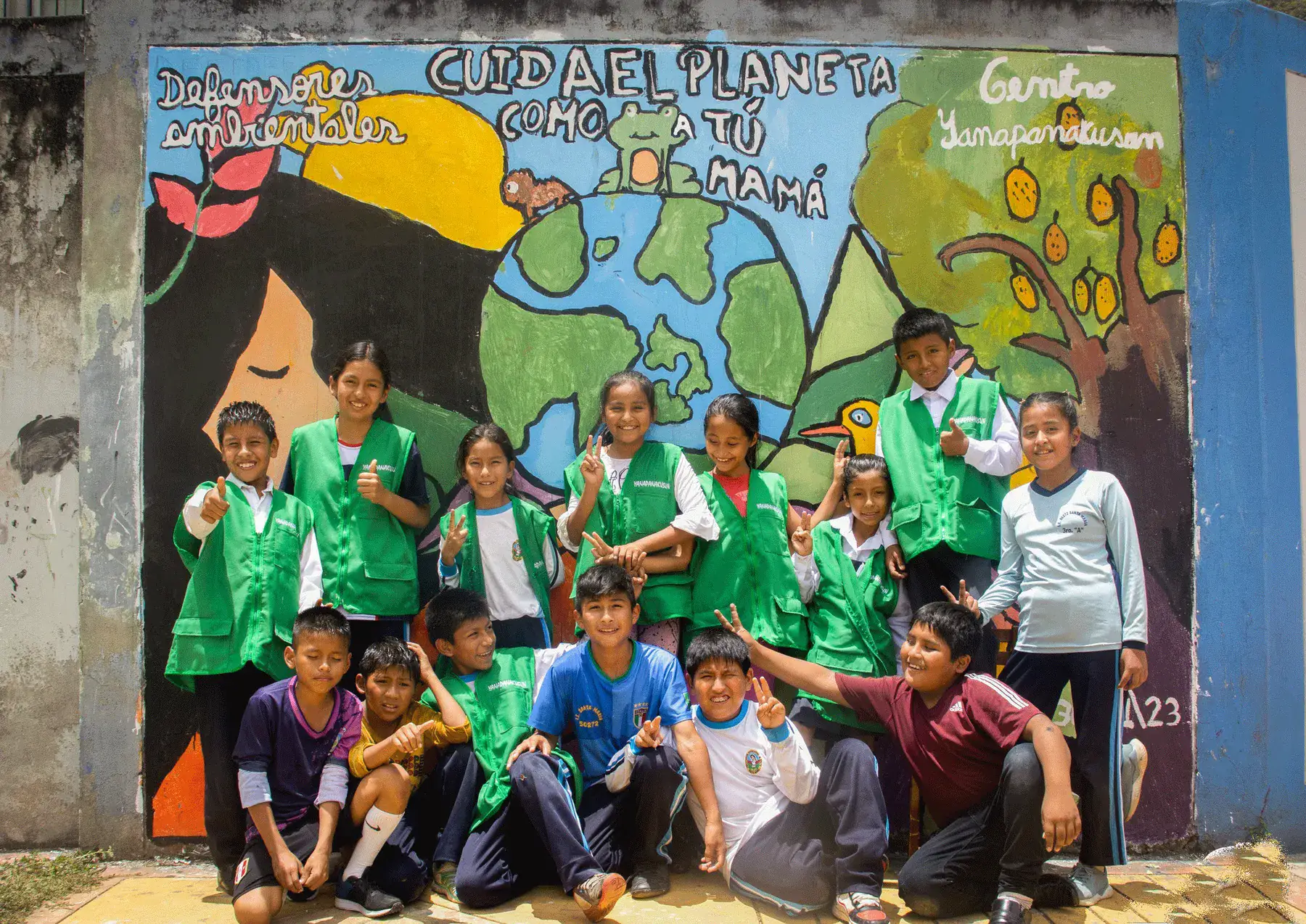
Estudiantes que se forman como agentes de cambio para proteger el entorno y participar en decisiones comunitarias.
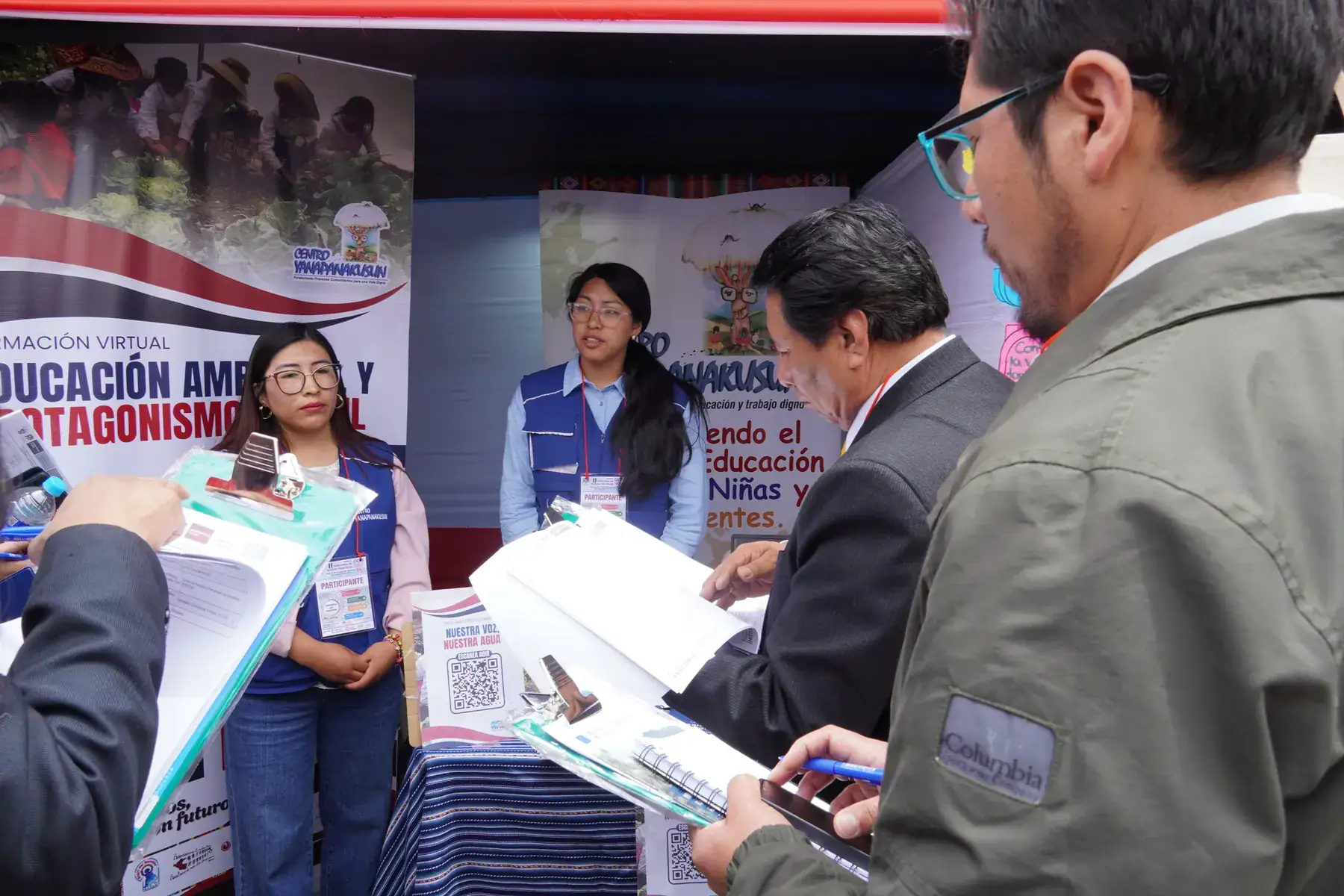
Formamos a estudiantes como defensores ambientales mediante procesos educativos que fortalecen su conciencia crítica y su compromiso con el cuidado del entorno. A través de su formación, desarrollan una comprensión integral de las problemáticas socioambientales de sus comunidades, siendo capaces de identificar riesgos, proponer soluciones y promover acciones sostenibles.
Asimismo, se impulsa su participación activa en espacios comunitarios y de toma de decisiones, donde ejercen un rol protagónico como agentes de cambio. Este proceso fomenta el liderazgo juvenil, el trabajo colaborativo y la incidencia en sus territorios, contribuyendo a la construcción de comunidades más responsables con el ambiente.
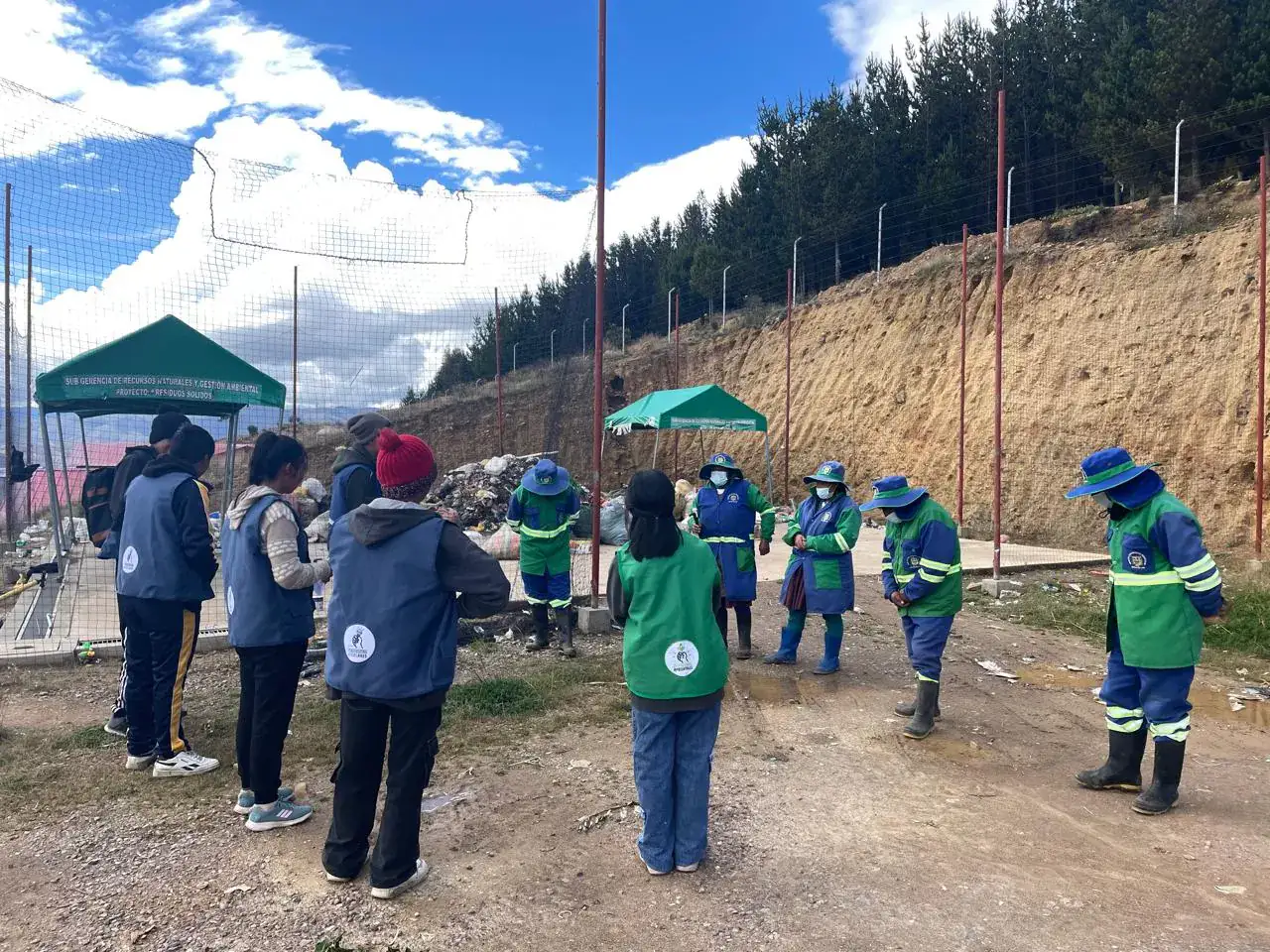
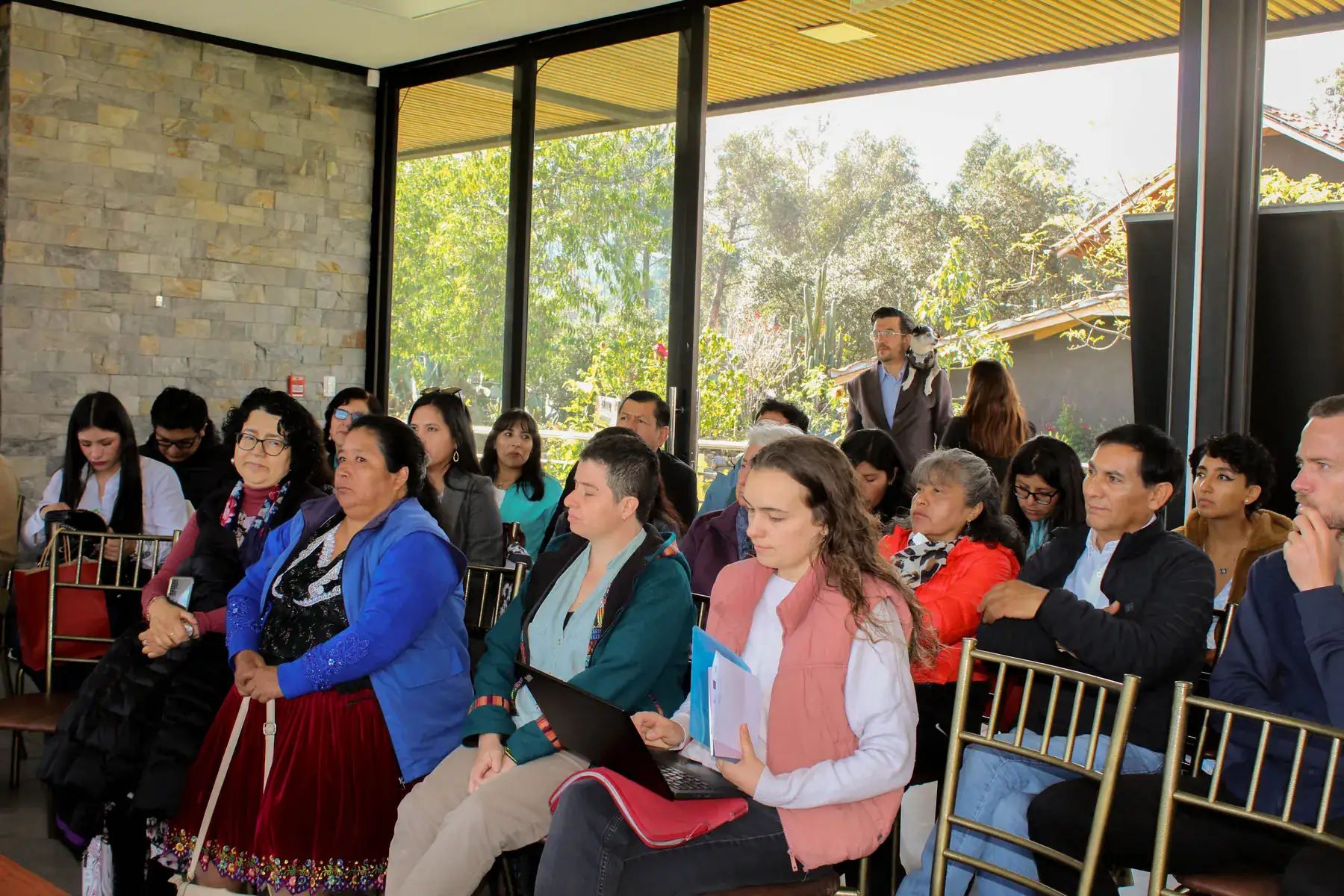
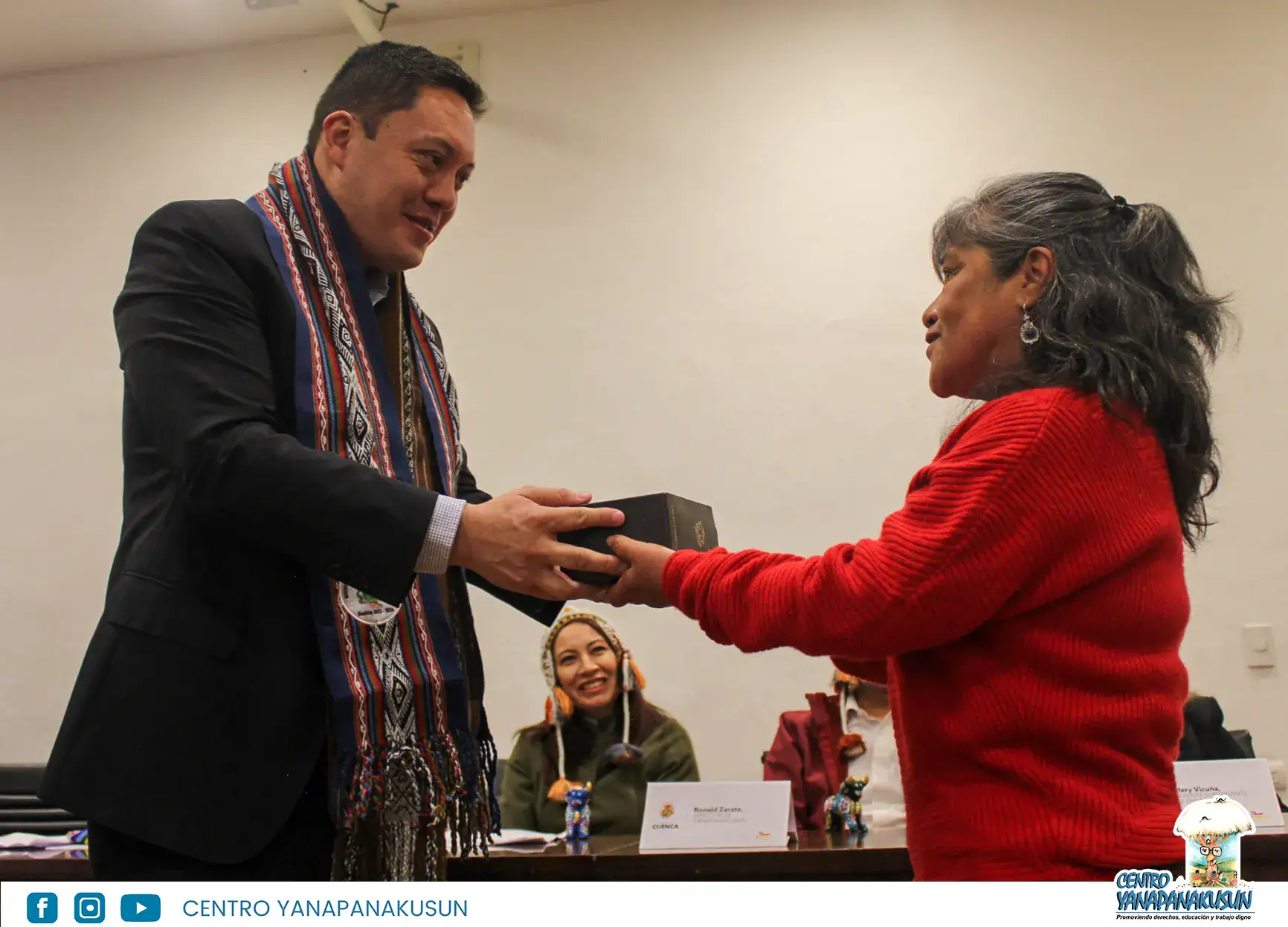
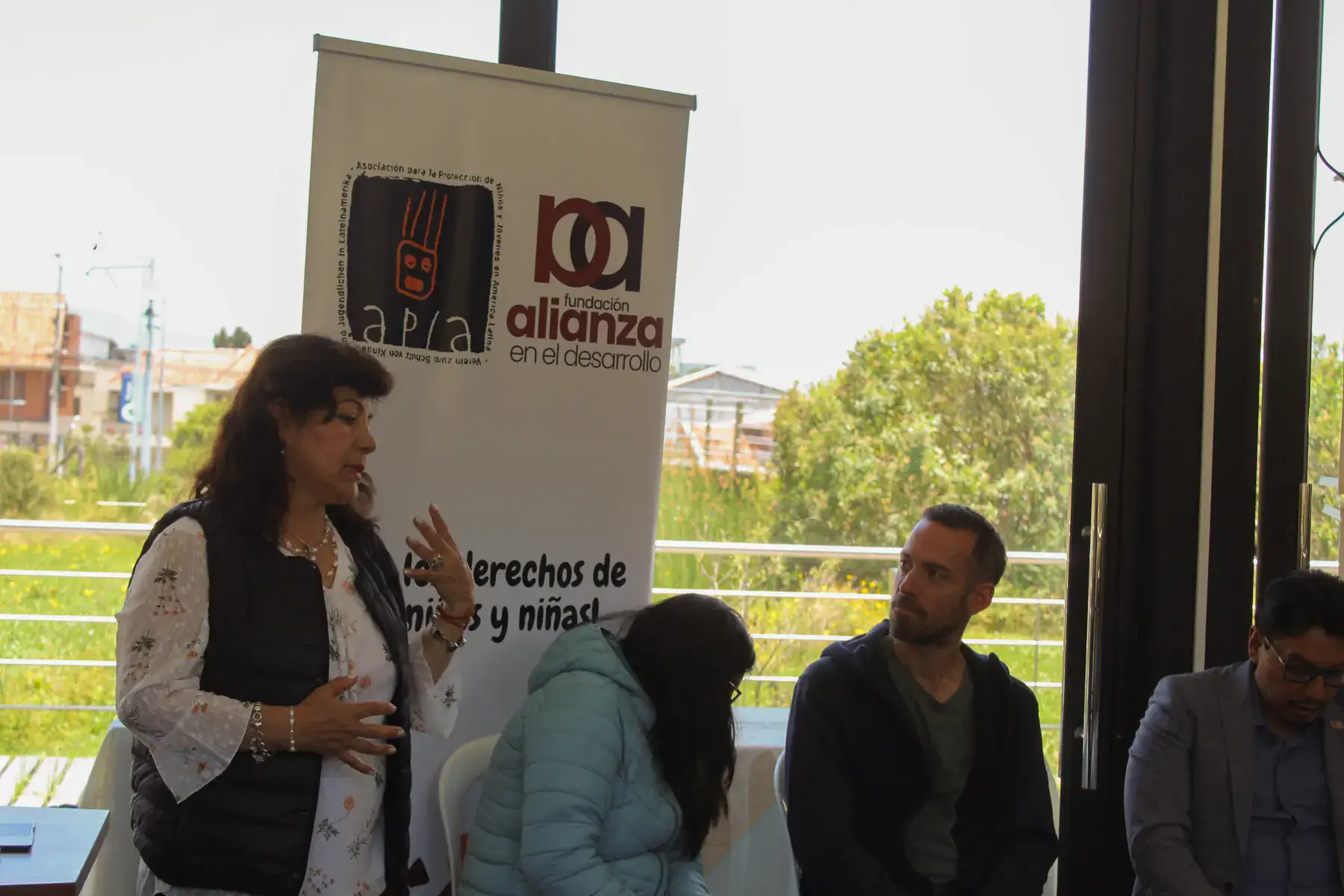
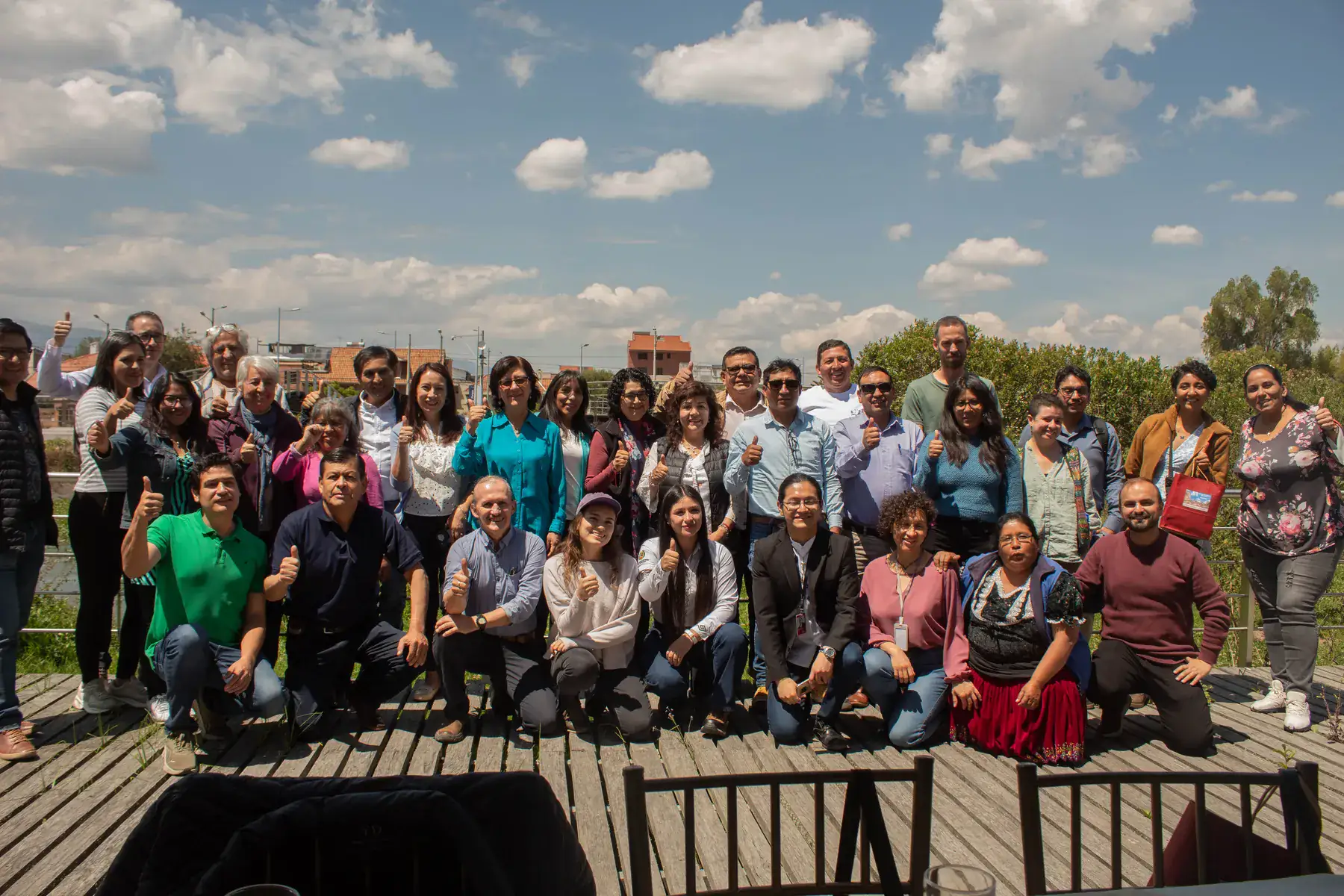
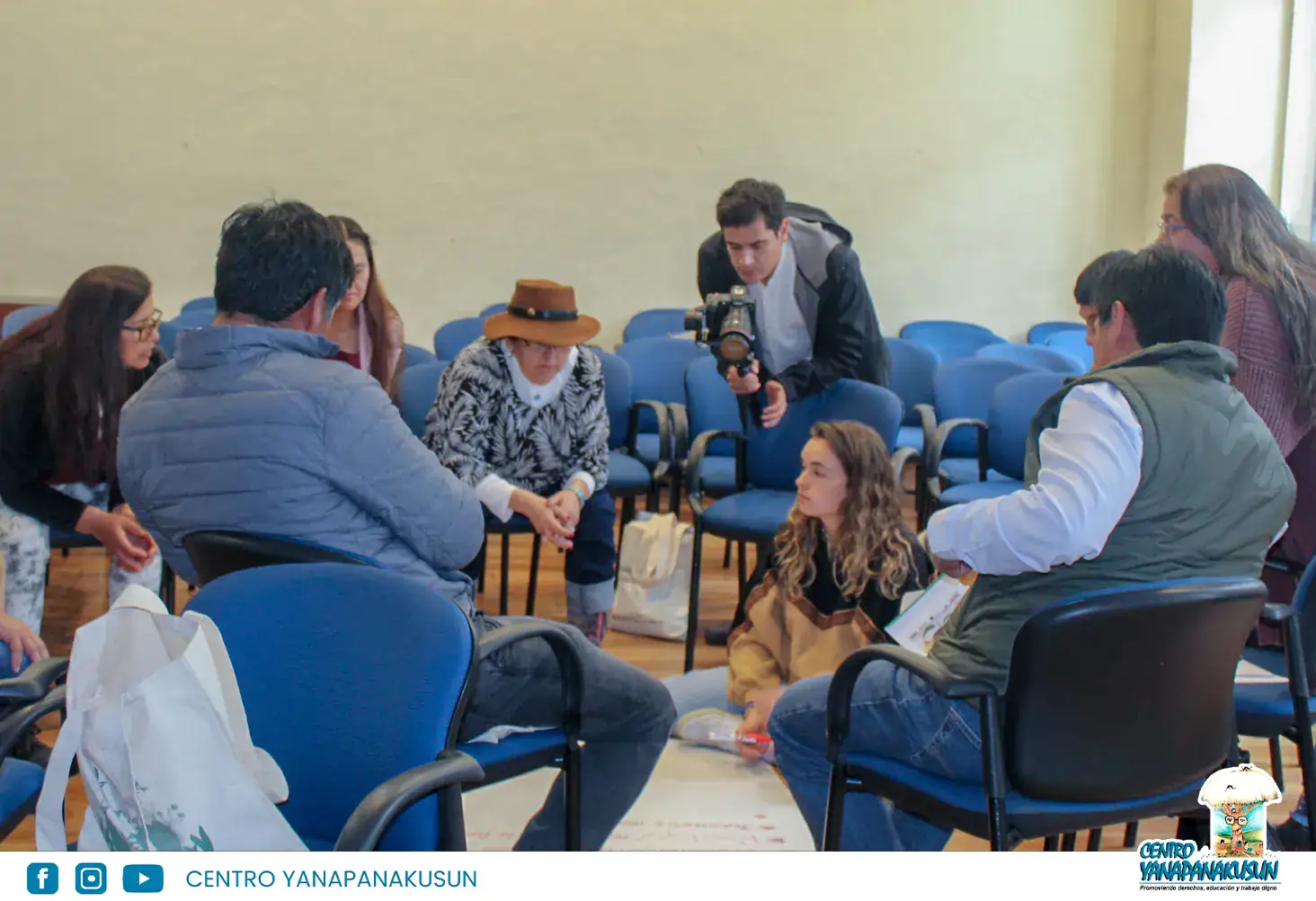
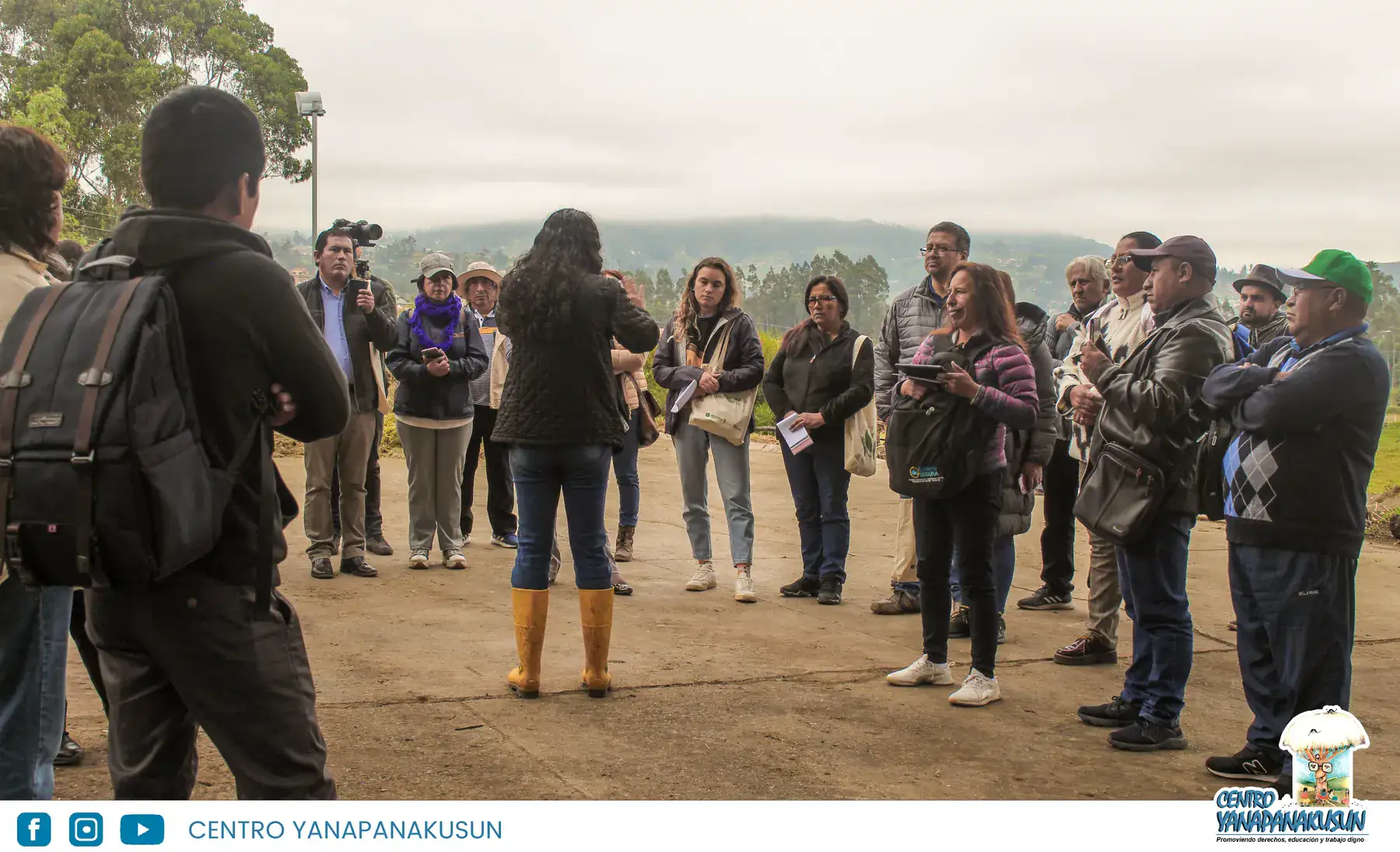
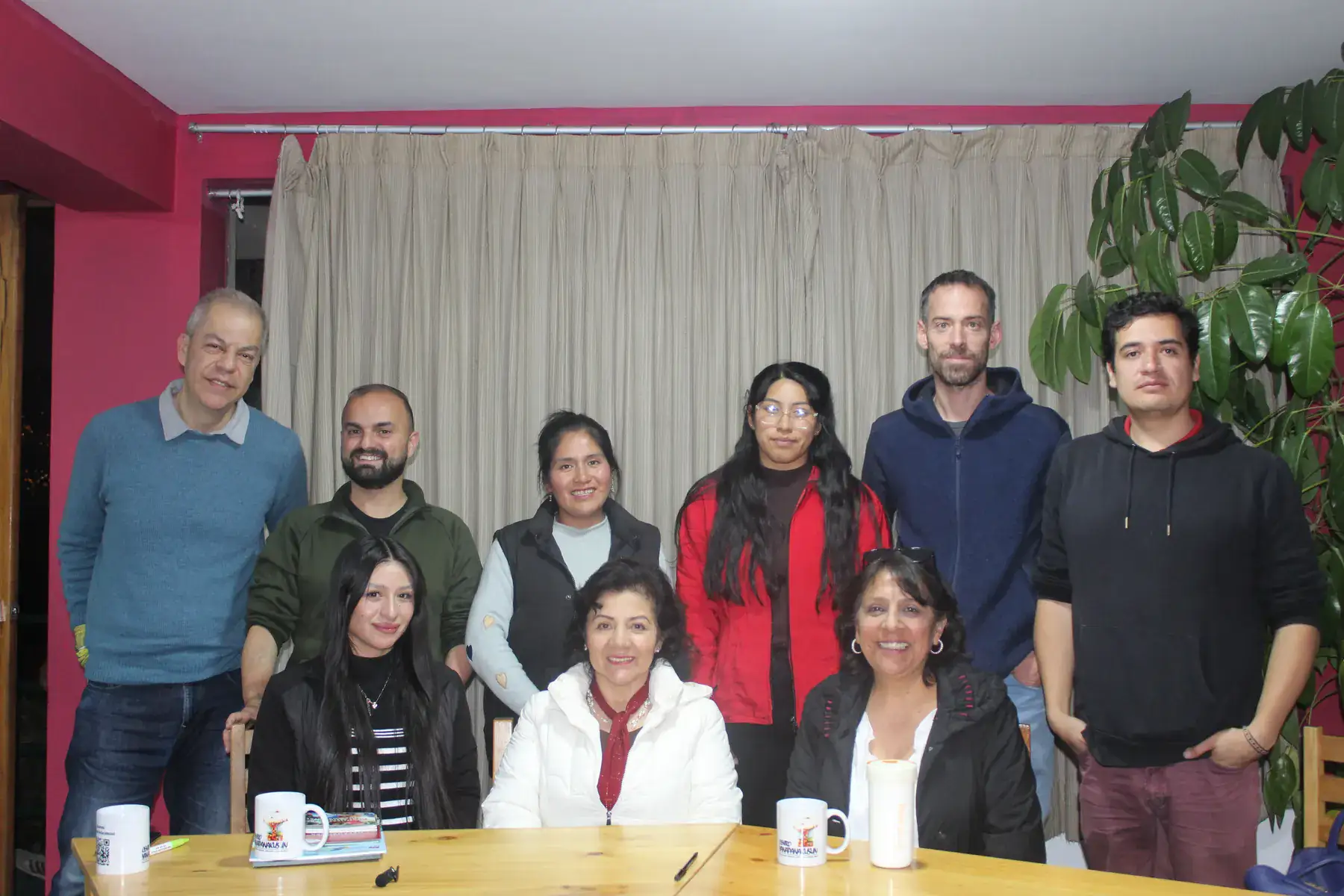
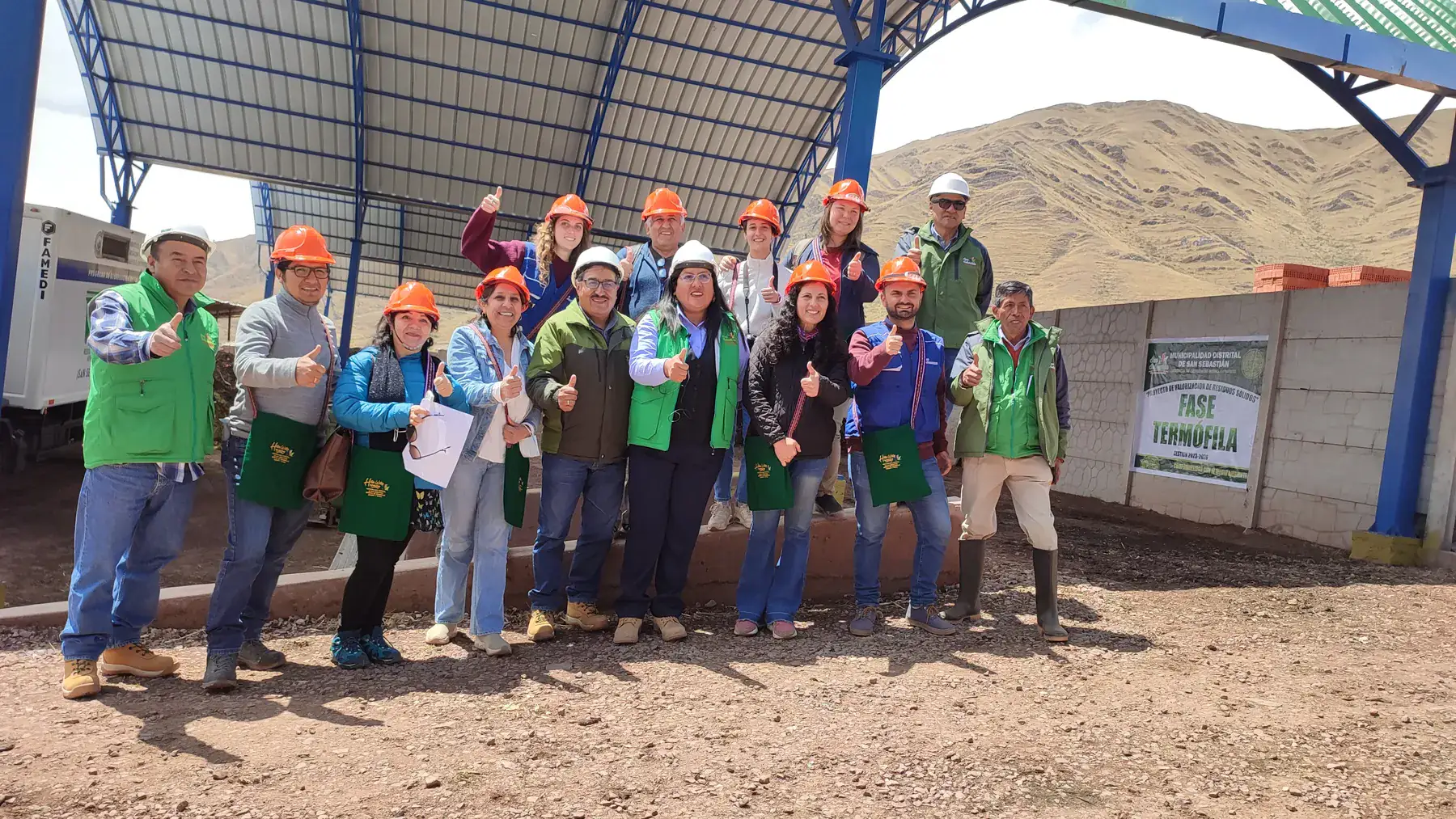
Encuentro binacional que impulsa aprendizaje vivencial, diálogo de saberes y propuestas sostenibles con protagonismo juvenil.
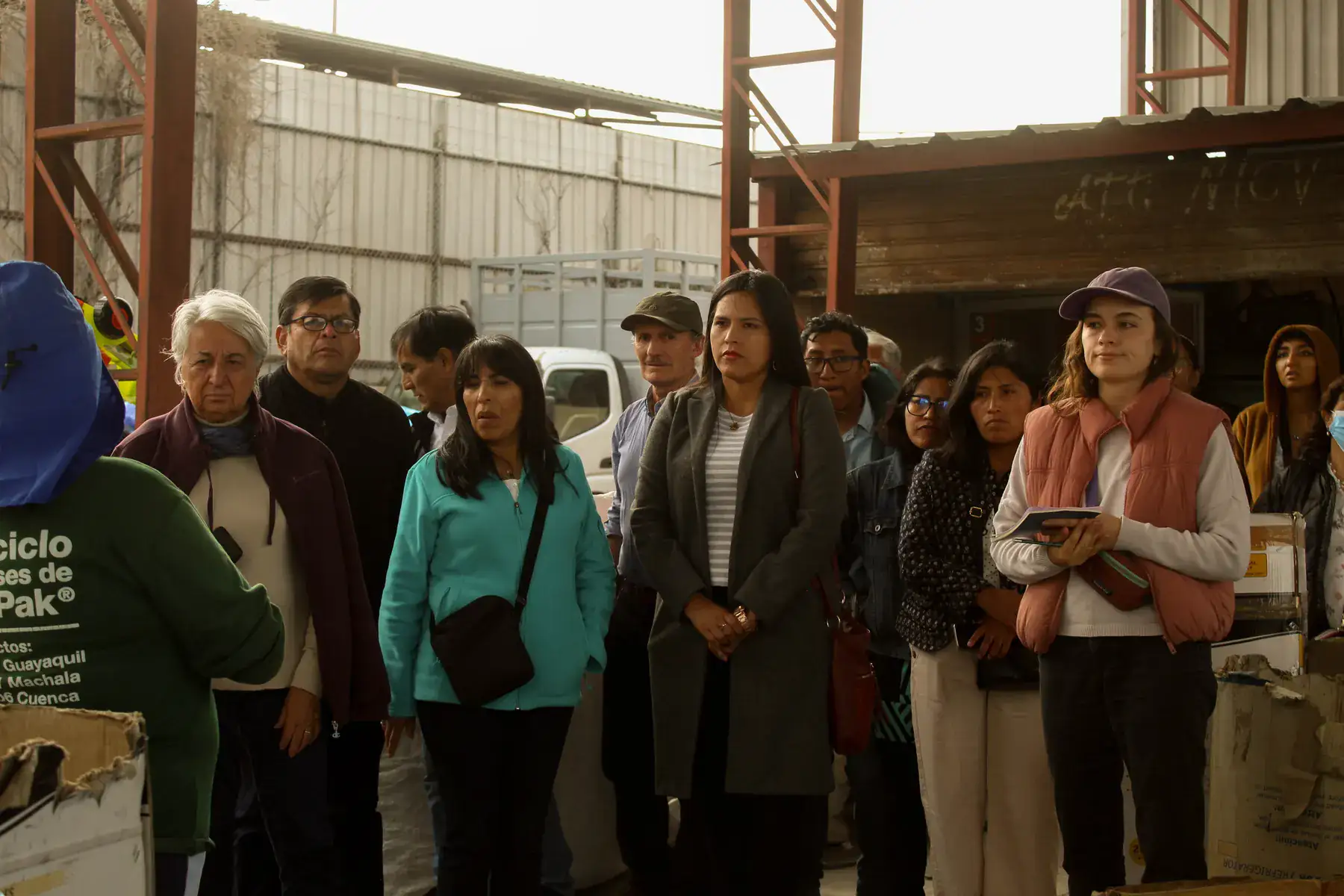
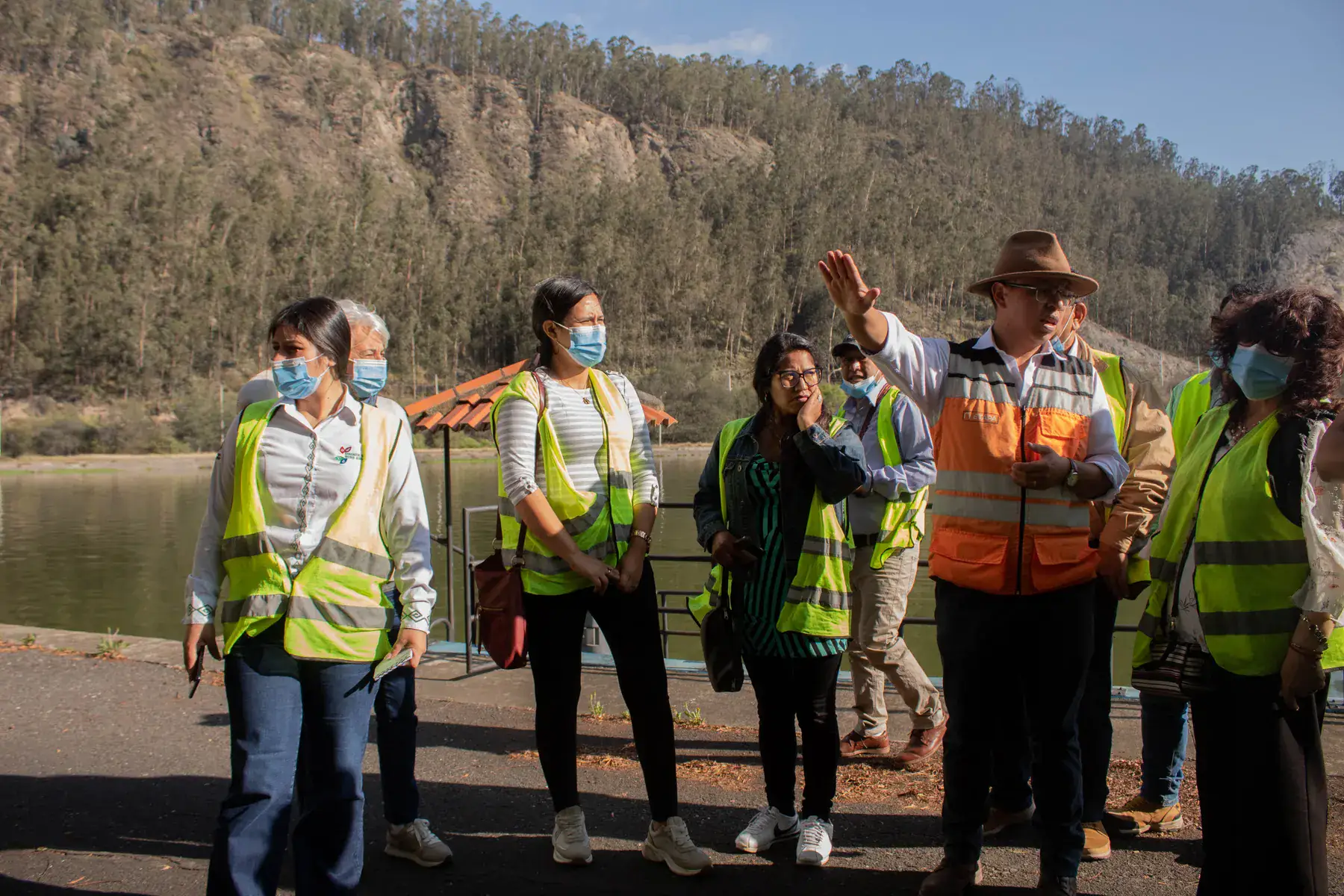
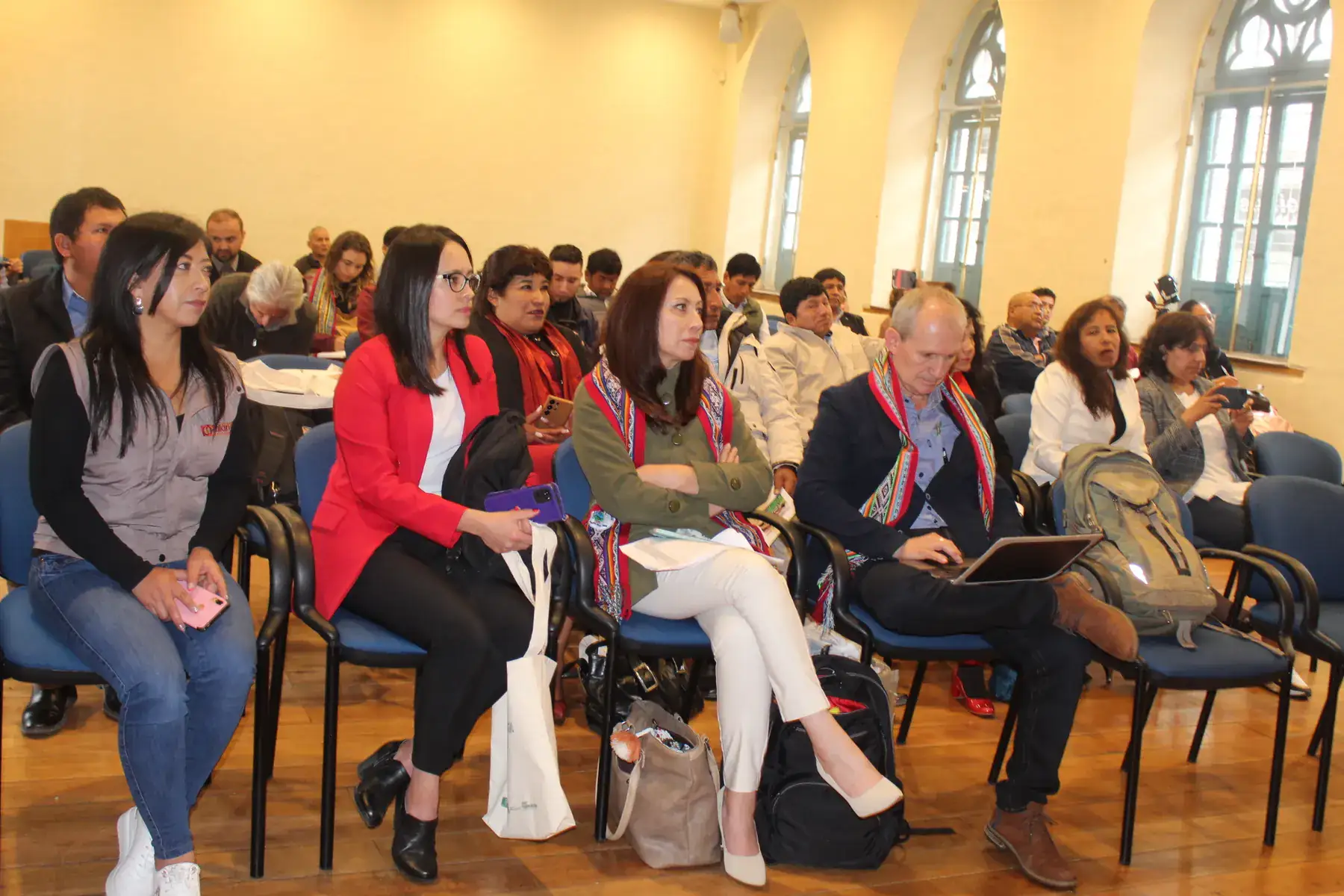
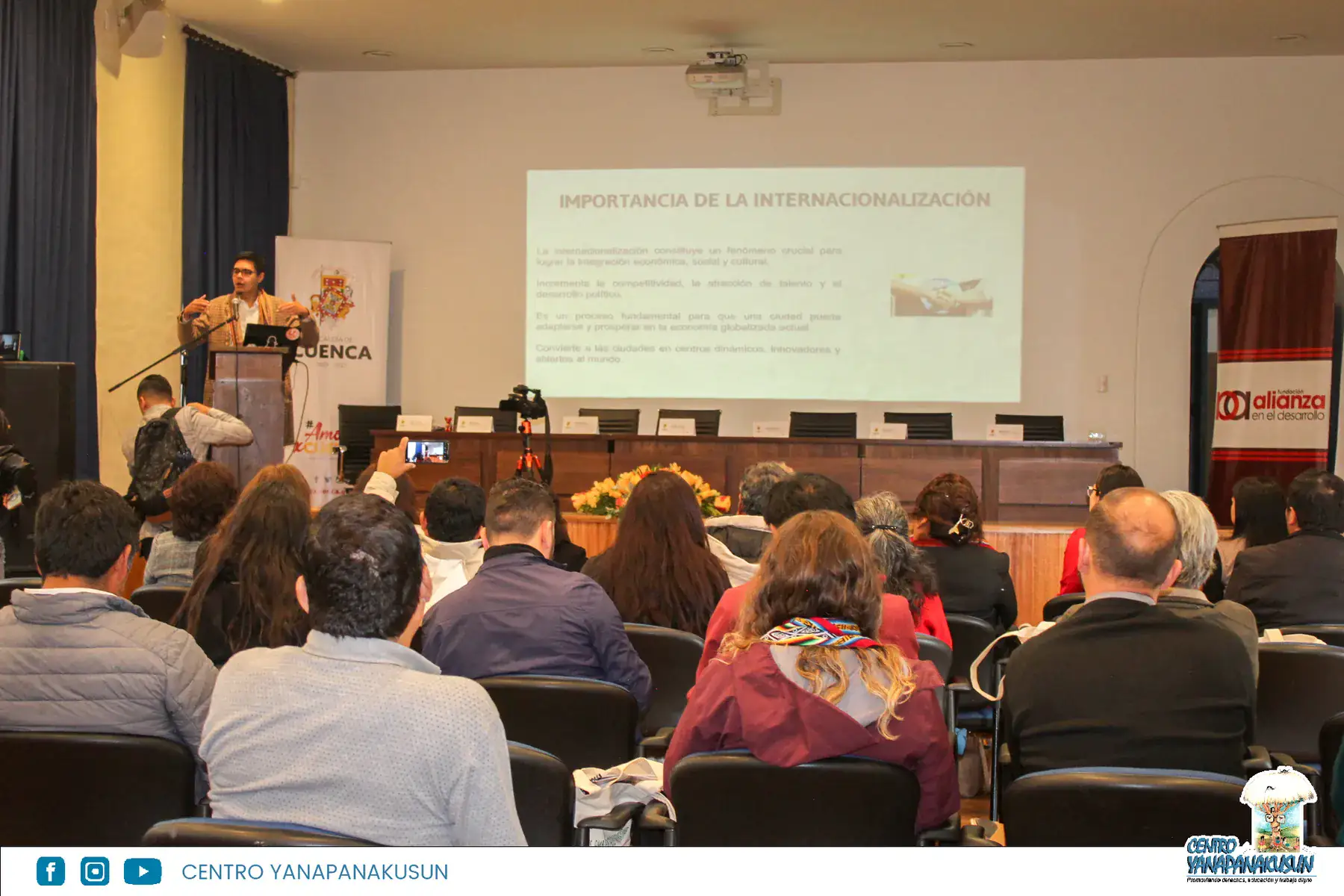
Desde hace varios años promovemos el evento binacional ambiental enfocado en derechos ambientales y la iniciativa de “basura cero”, generando espacios de encuentro entre actores de Perú y otros países para reflexionar y actuar frente a los desafíos socioambientales. En estos espacios participan autoridades locales, regidores, organizaciones sociales y, de manera creciente, adolescentes y jóvenes, fortaleciendo el diálogo intergeneracional y la acción colectiva.
En su última edición, se incorpora la participación activa de jóvenes, quienes tienen la oportunidad de realizar una pasantía en la ciudad de Cuenca, fortaleciendo su aprendizaje a partir del intercambio de experiencias. Este proceso busca desarrollar una conciencia ambiental crítica en adolescentes y jóvenes de Cusco, promoviendo su capacidad de análisis, la revalorización de saberes ancestrales y la generación de propuestas sostenibles desde sus territorios.
La propuesta educativa se basa en enfoques interculturales, inclusivos, de equidad y participación para la transformación social, priorizando el aprendizaje vivencial, el diálogo de saberes y la acción colectiva. De esta manera, se impulsa que las y los jóvenes se reconozcan como actores clave en la defensa del ambiente, capaces de incidir en sus comunidades y construir alternativas sostenibles con identidad y compromiso.